Email: [email protected]
Email: [email protected]
Telephone/WhatsApp: +86-18267909027
Aug 14, 2026
A reusable bottle can look like a simple container, but its internal structure has a direct effect on how people experience a drink during exercise, commuting, travel, or outdoor activities. A Vacuum Insulated Sport Bottle uses a double-wall construction to create an insulating space between the inner and outer walls. This structure helps reduce heat transfer between the beverage and surrounding air.
The concept is straightforward. A vacuum layer contains very little air, reducing the paths through which heat can move. The inner wall holds the drink, while the outer wall provides the main exterior surface. This combination creates a compact container designed for temperature retention.
For active users, that feature can make a noticeable difference during a long workout or a day spent away from home.
Material selection is closely connected to bottle design. Stainless steel is frequently used for the inner and outer walls because it can provide a sturdy structure and a clean interior surface.
Manufacturers form the metal into cylindrical bodies before joining the components. The space between the walls is then processed to create the insulating structure. The quality of this stage affects the thermal performance of the finished bottle.
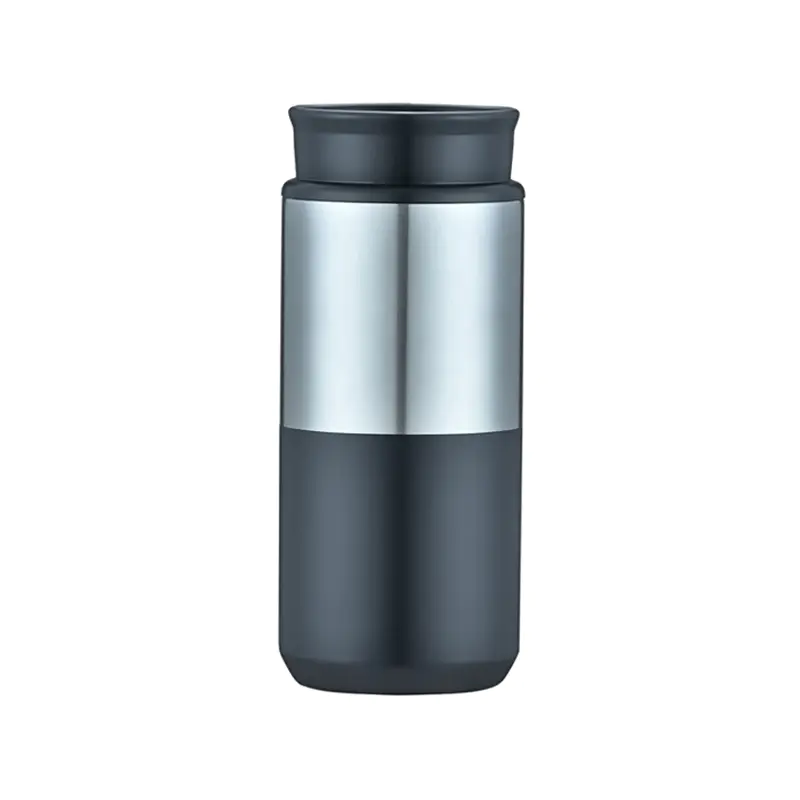
The exterior may receive additional treatment to create different textures and appearances. Powder coating, painted finishes, metallic surfaces, and textured treatments can give the same basic bottle structure very different visual identities.
For sports products, surface texture also matters because users often hold bottles during movement. A carefully designed exterior can make the bottle easier to grip during cycling, running, training, or hiking.
A bottle body may receive plenty of attention, but the lid has an equally practical role. The opening mechanism determines how users drink, fill the bottle, and transport it.
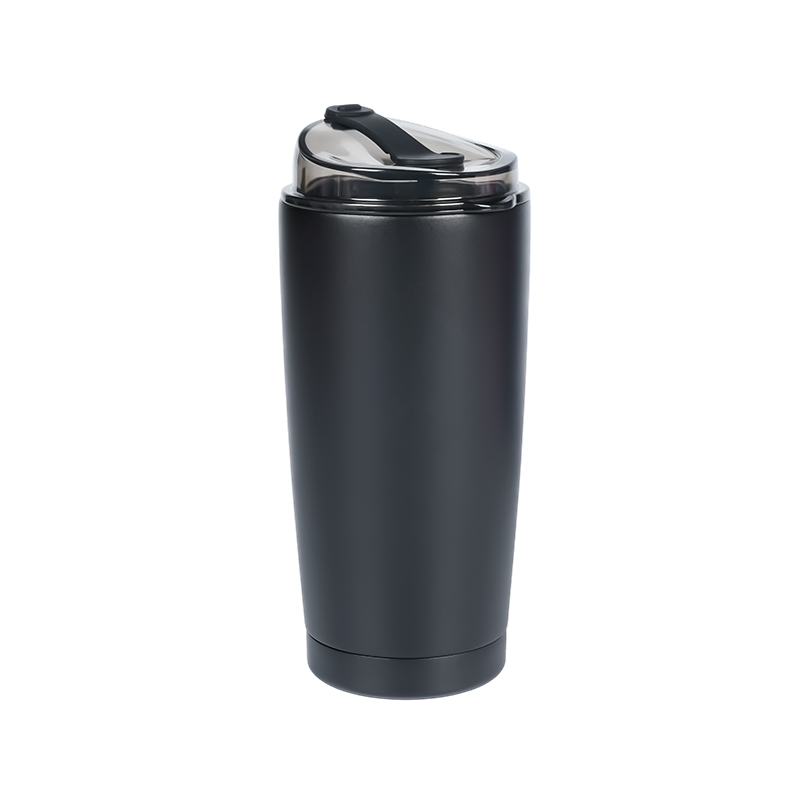
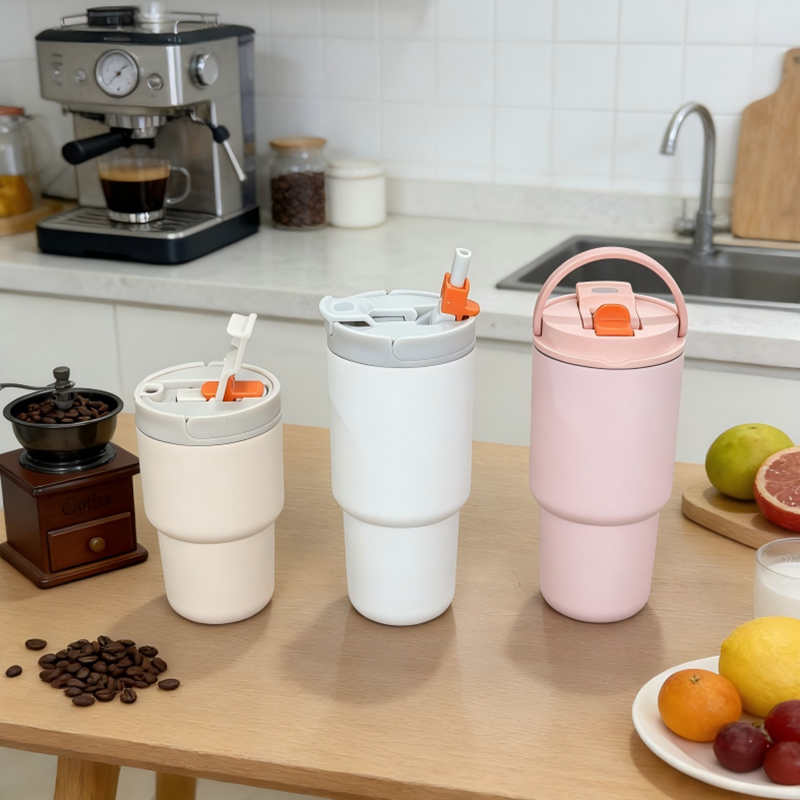
Sports bottles can use screw caps, flip-top lids, straw systems, push-button mechanisms, or combinations of these designs. Each approach creates a different drinking experience.
A wide-mouth opening can make filling easier and provide room for ice or larger drink additions. A narrower opening can create a more controlled drinking flow.
Sealing components also need to fit precisely. Silicone rings and other gasket materials are commonly positioned around the lid to reduce leakage. During production, manufacturers check the relationship between the cap, threads, gasket, and bottle opening.
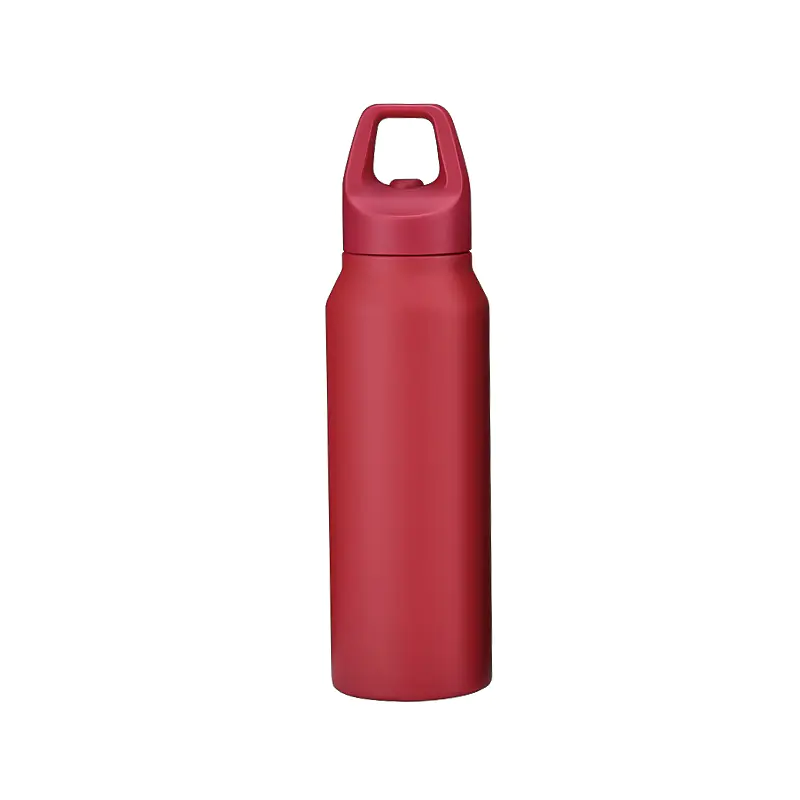
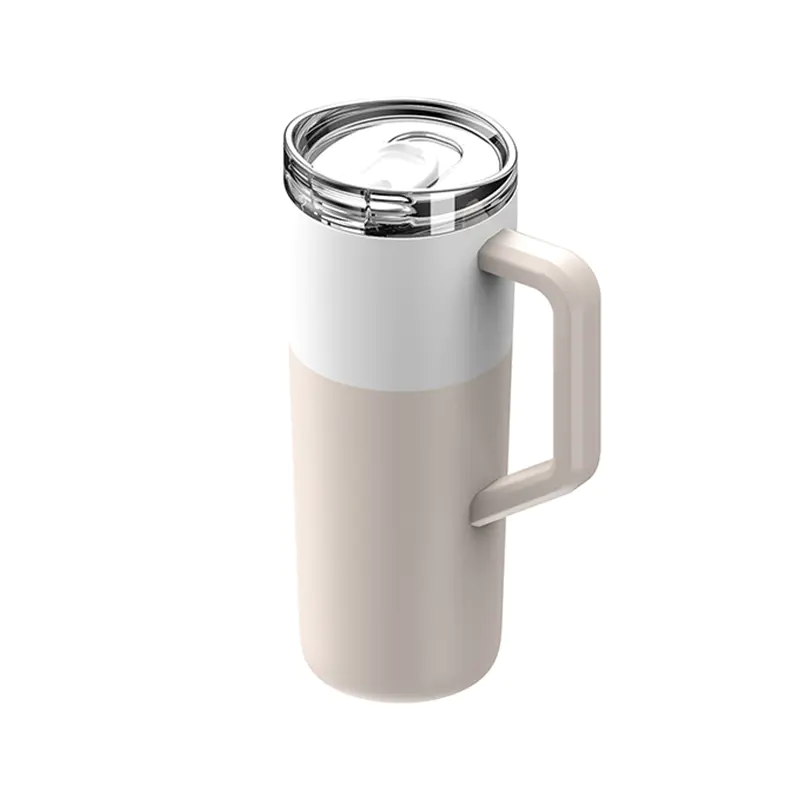
Modern sports bottles increasingly combine functional features with a distinctive appearance. A Vacuum Insulated Sport Bottle may include measurement markings, carrying loops, removable straps, textured grips, or integrated drinking mechanisms.
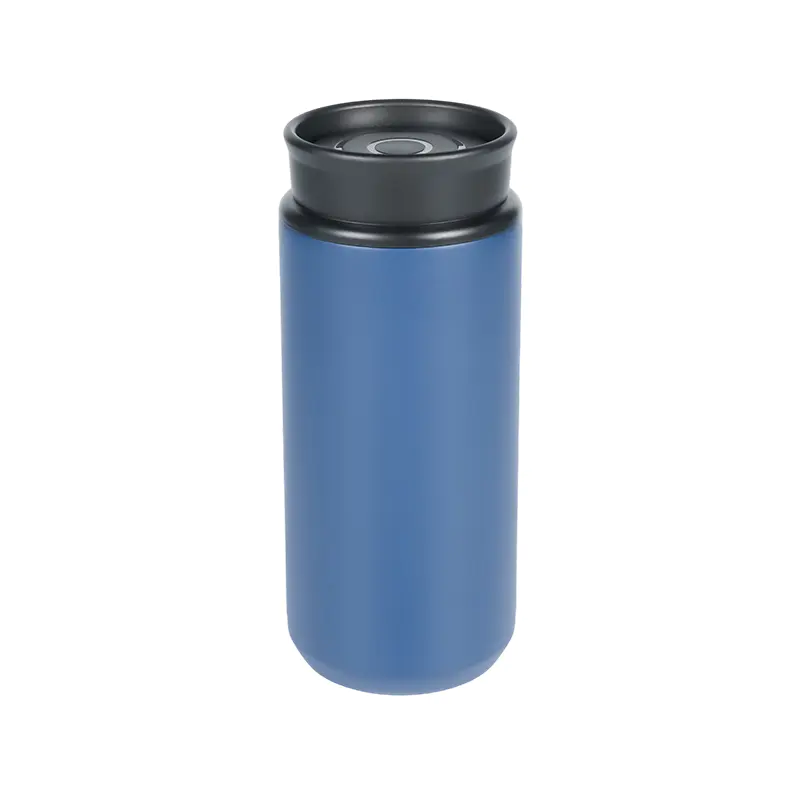
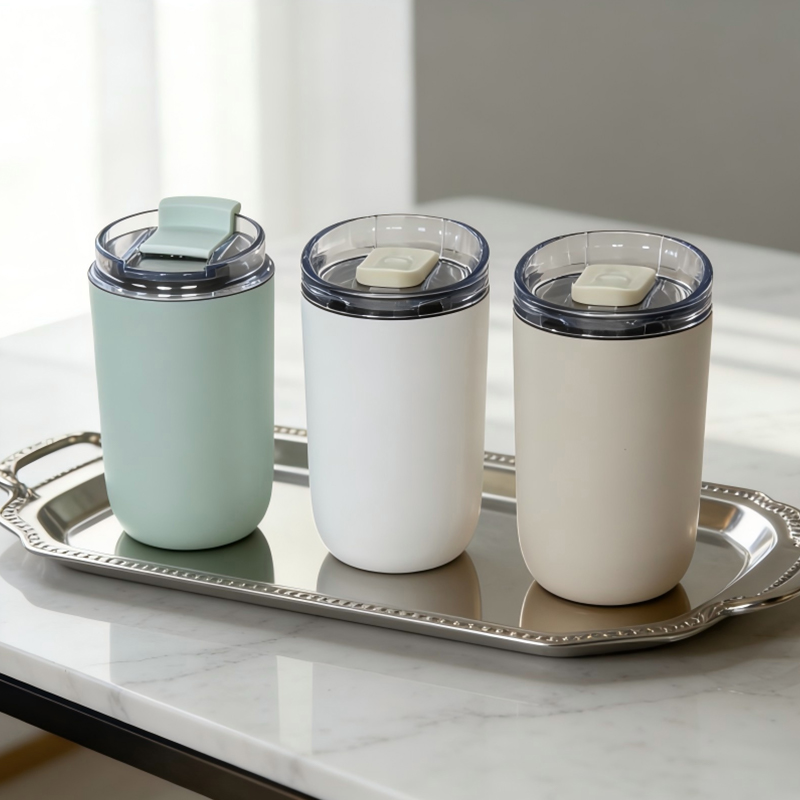
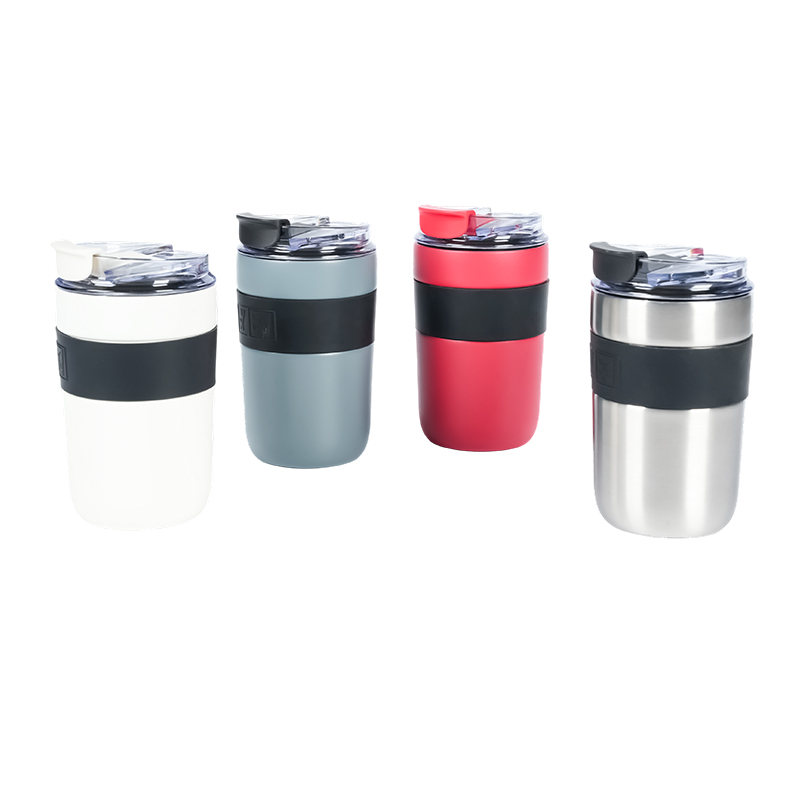
Color selection has also become part of product design. Bright shades can create an energetic appearance, while neutral finishes may suit office use or everyday commuting. Matte textures, metallic tones, soft gradients, and personalized color combinations can also help brands create distinctive product styles for different consumer preferences and target markets.
Ergonomic design is another consideration. A bottle that looks attractive on a shelf still needs to feel comfortable in the hand. Curved surfaces, narrowed centers, grip textures, and balanced weight distribution can influence the way users carry and drink from it.
Share:
Related Products
Free Consultation
PRODUCTS
CONTACT INFO.
+86-18267909027+86-159 5799 5961
+86-0579 87616809
No. 158, Mingzhao Road, Gangtou Industrial Zone, Wuyi County, Jinhua City, Zhejiang Province, 321200, China



 Español
 Français