Email: [email protected]
Email: [email protected]
Telephone/WhatsApp: +86-18267909027
Aug 07, 2026
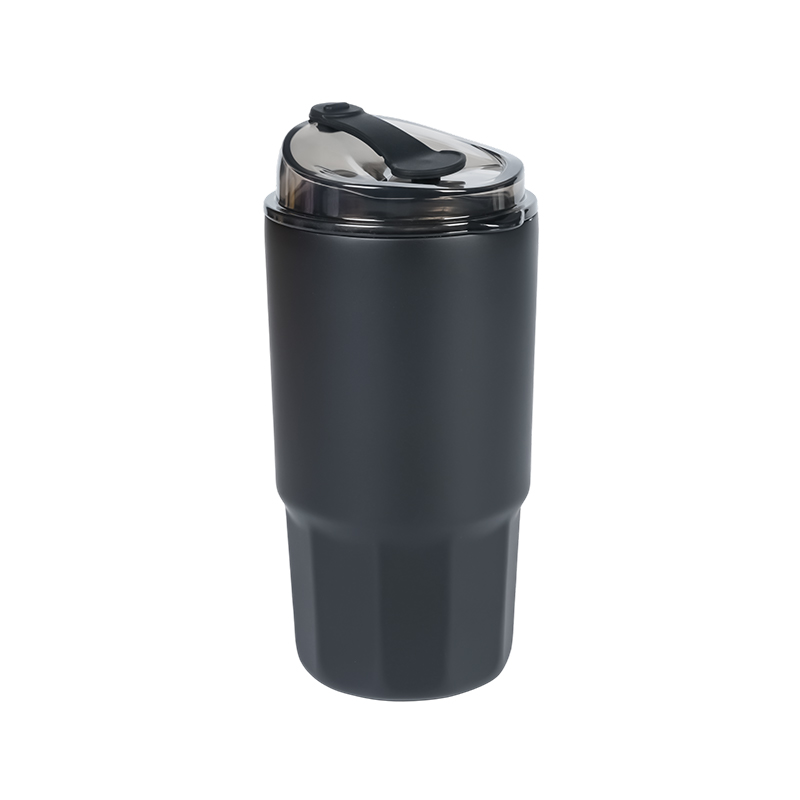
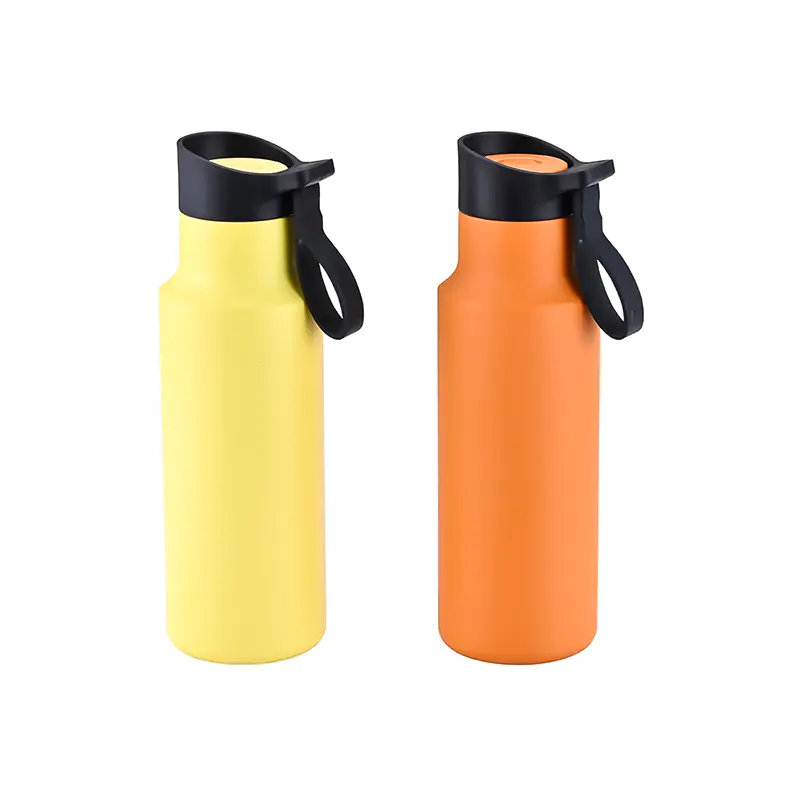
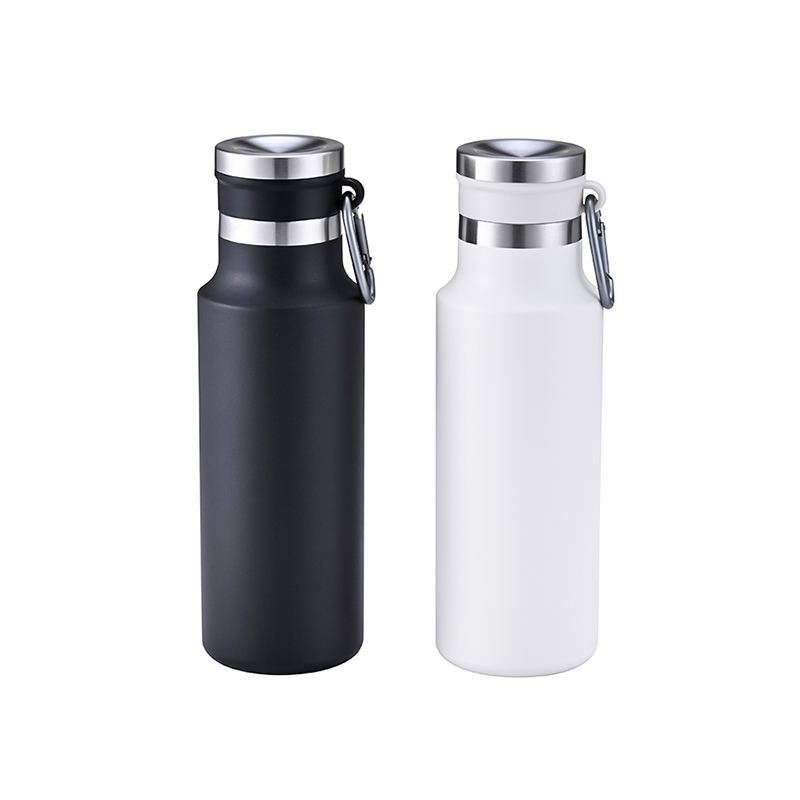
The design of a Threadless Vacuum Insulated Water Bottle has attracted attention in the drinkware industry because it changes the traditional connection method between the bottle body and the lid. Conventional insulated bottles often use threaded neck structures, where the cap is rotated onto the bottle opening. A threadless design uses alternative sealing systems that focus on smooth connections, simple structures, and different user interaction methods.
Vacuum insulation technology remains a key feature in this category. The double-wall construction creates a vacuum layer between two stainless steel walls, reducing heat transfer caused by conduction and convection. This structure helps the bottle maintain the temperature characteristics of hot or cold beverages for extended periods under normal usage conditions.
A Threadless Vacuum Insulated Water Bottle removes the traditional screw thread from the bottle opening area. Instead, manufacturers may use push-fit lids, locking mechanisms, silicone sealing rings, or other connection structures to achieve a secure closure.
The design process requires careful coordination between the bottle neck, lid components, and sealing materials. The dimensions of each part need to match accurately because small differences can affect sealing performance and user experience. Manufacturers usually evaluate factors such as opening force, connection stability, and liquid resistance during product development.
This structure also changes the appearance of the bottle. Without external threads around the opening, the upper section can have a cleaner shape. The simplified surface design provides more possibilities for branding areas, grip designs, and customized product styles.
Producing a Threadless Vacuum Insulated Water Bottle involves several manufacturing stages, including stainless steel forming, welding, vacuum processing, surface treatment, and component assembly.
Stainless steel sheets are shaped into inner and outer walls through forming processes. The two walls are joined carefully to create a sealed chamber where air is removed to form the vacuum insulation layer. The bottle opening requires additional precision because the threadless structure depends heavily on accurate dimensions.
Lid manufacturing is another important part of the process. Plastic, stainless steel, silicone, and other materials may be combined to create a functional closure system. The sealing ring plays a key role in preventing leakage and maintaining a stable connection between the bottle and lid.
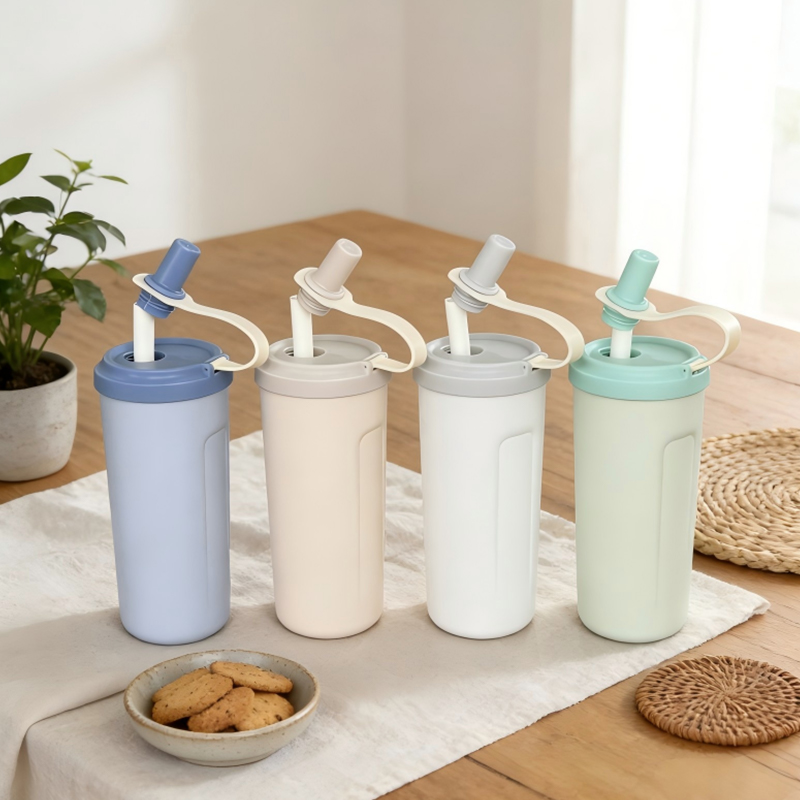
Threadless Vacuum Insulated Water Bottle designs are being explored for different applications, including outdoor drinkware, workplace bottles, travel containers, and promotional products. Businesses looking for customized drinkware solutions often consider factors such as capacity, material selection, lid style, and surface finish.
Compared with traditional threaded bottles, threadless structures provide another option for product designers who want to create different opening experiences. The design may support faster access, easier cleaning of the bottle opening area, and a smoother external appearance.
Manufacturers are also studying how this structure can work with smart accessories, different drinking methods, and specialized lid functions. These developments encourage more variety in insulated bottle design while keeping the basic principles of vacuum insulation technology.
The growing interest in Threadless Vacuum Insulated Water Bottle products reflects changes in drinkware design preferences. Buyers and businesses are paying more attention to product structure, usability, and visual appearance.
For manufacturers, this category requires knowledge of metal forming, sealing technology, and precision assembly. For brands, it offers opportunities to create distinctive products for different market segments.
As insulated drinkware continues to develop, threadless structures represent one design direction that combines vacuum insulation principles with alternative connection methods. The technology shows how small changes in bottle components can influence product function, appearance, and user interaction.
Share:
Related Products
Free Consultation
PRODUCTS
CONTACT INFO.
+86-18267909027+86-159 5799 5961
+86-0579 87616809
No. 158, Mingzhao Road, Gangtou Industrial Zone, Wuyi County, Jinhua City, Zhejiang Province, 321200, China



 Español
 Français