Email: [email protected]
Email: [email protected]
Telephone/WhatsApp: +86-18267909027
Aug 21, 2026
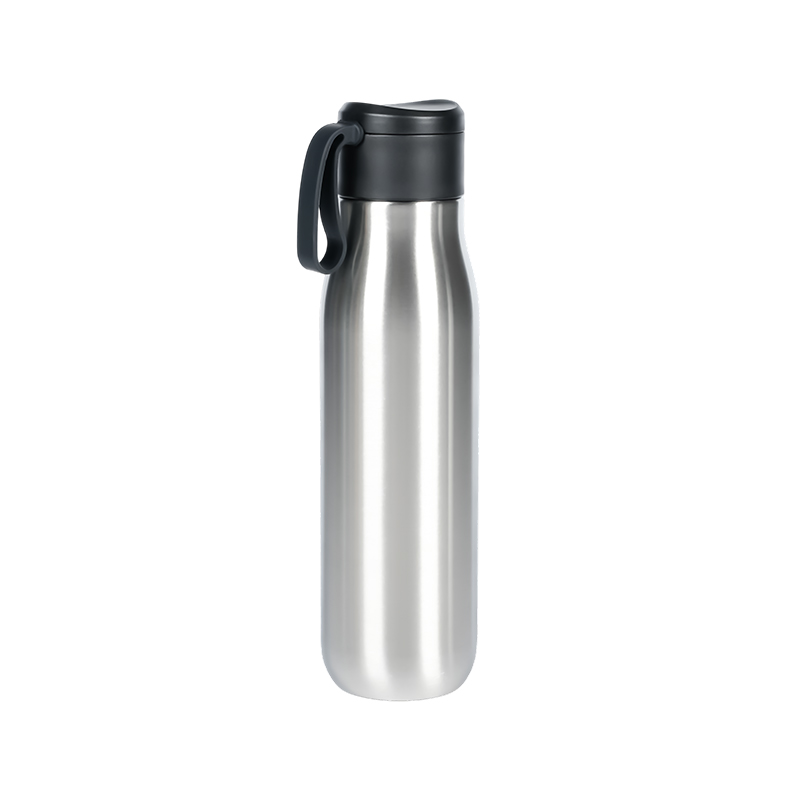
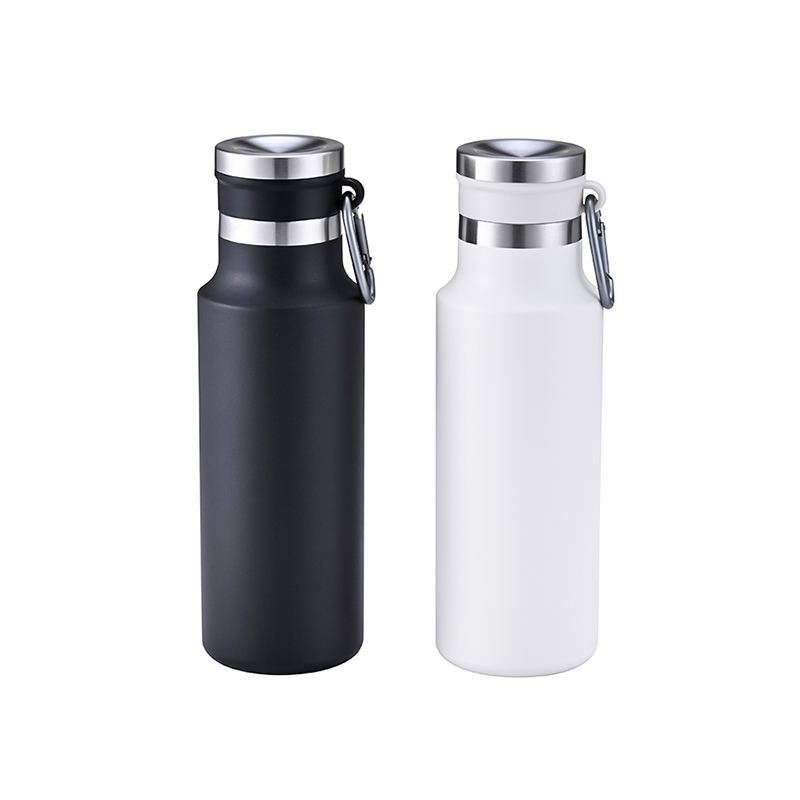
Strip away the clip for a second and a vacuum water bottle with carabiner is really just a vacuum-insulated bottle underneath. Two layers of stainless steel, a sealed vacuum gap between them, and that gap is what keeps heat from transferring in or out. No conduction path means cold drinks stay cold for hours, sometimes closer to a full day depending on wall thickness and cap design, and hot drinks hold their temperature on the flip side.
Wall thickness plays a bigger role here than most buyers realize going in. Thicker steel walls hold that vacuum gap wider, which slows heat transfer further, but it also adds weight — a trade-off manufacturers balance differently depending on whether the bottle's being marketed for daily commuting or lightweight trail use.
The clip itself usually attaches one of two ways: molded directly into the lid, or looped through a separate ring welded to the cap or body. Both work, though they behave a little differently once you're actually using the bottle day to day.
That second option matters more than it sounds like it should. A cheap stamped-metal clip can bend or snap under repeated clipping and unclipping, especially if someone's hanging the bottle off a backpack strap that gets tugged around all day. Buyers sourcing a vacuum water bottle with carabiner for outdoor retail often ask specifically about the clip's load rating, separate from anything to do with the bottle's insulation.
Hikers are the obvious audience, clipping the bottle to a pack strap so it's within reach without digging through a bag. But the appeal spreads further than that. Delivery drivers clip them to a bag or belt loop. Gym-goers hook them onto equipment or a locker door. Even office workers use the carabiner just to hang the bottle off a desk edge instead of leaving it somewhere it might tip over.
That range shows up in how the product gets designed too. Trail-focused versions tend toward lighter bodies and smaller capacities, somewhere in the 12 to 20 ounce range, since weight matters more on a long hike than it does sitting on a desk. Everyday-use versions run larger, sometimes past 32 ounces, prioritizing capacity over shaving grams.
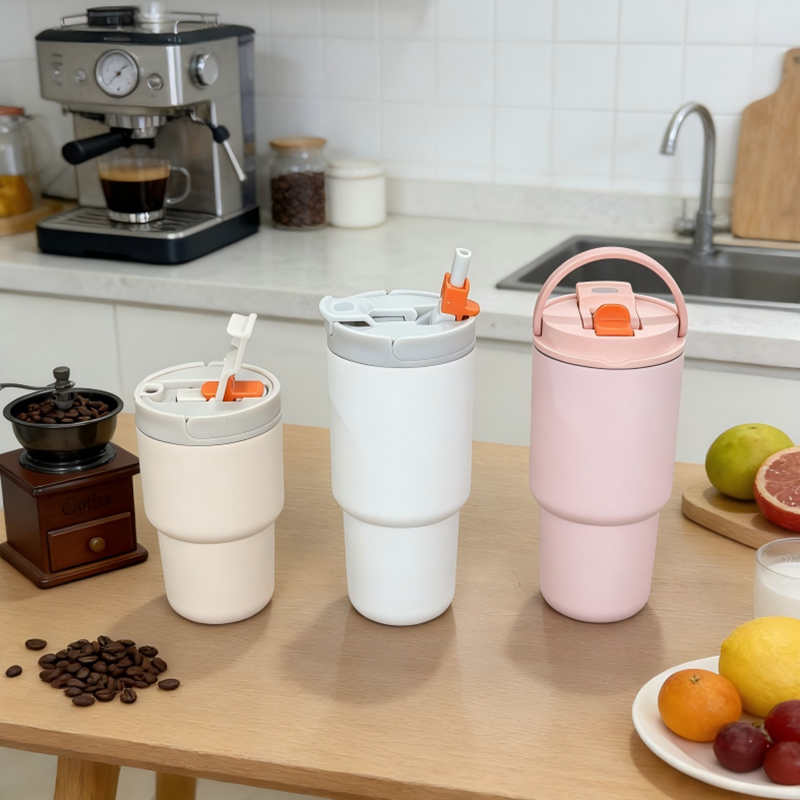
The cap does more work than people give it credit for, and it's usually where the biggest functional differences between models show up. A few common styles:
That trade-off — sealing strength against one-handed convenience — comes up constantly when buyers are trying to settle on a design for a specific market. A commuter product might lean toward the flip-top for convenience on a train platform, while a bottle aimed at serious trail use might stick with a screw-top for the tighter seal, even if it means fumbling with both hands mid-climb.
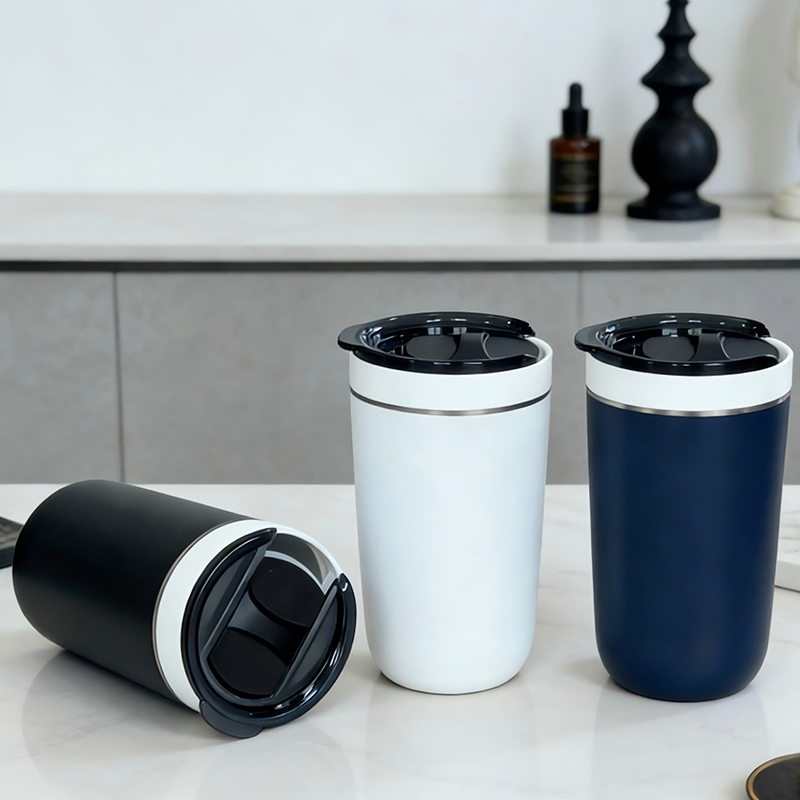
Powder-coated exteriors show up often on this product, partly for grip and partly to hide the scratches steel picks up over months of clipping onto packs and gear. Matte finishes tend to hide fingerprints and scuffs better than a polished steel surface would, which matters more than it sounds like for a bottle that's constantly banging against zippers and buckles.
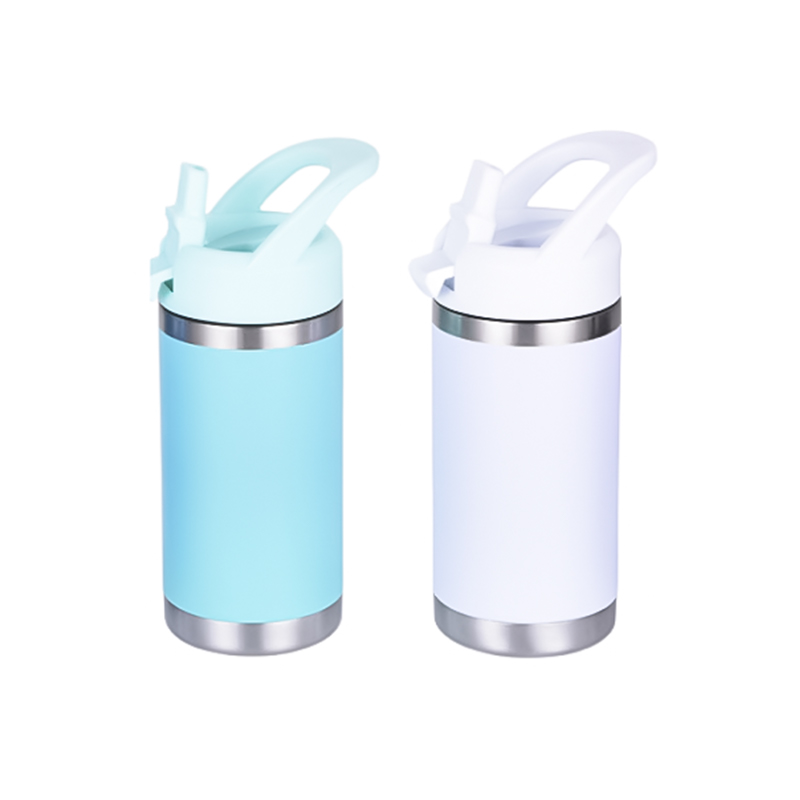
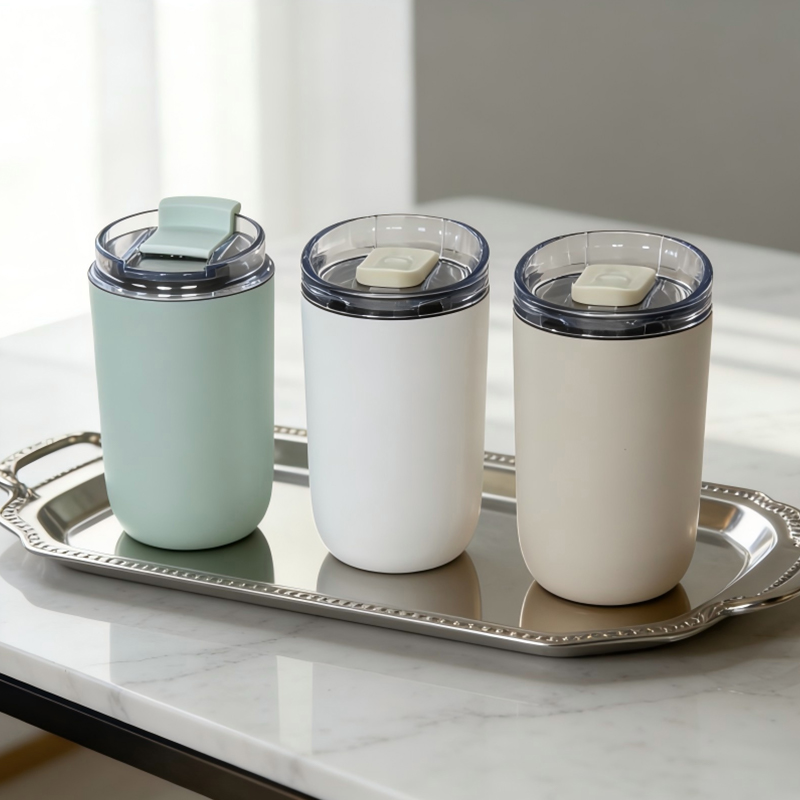
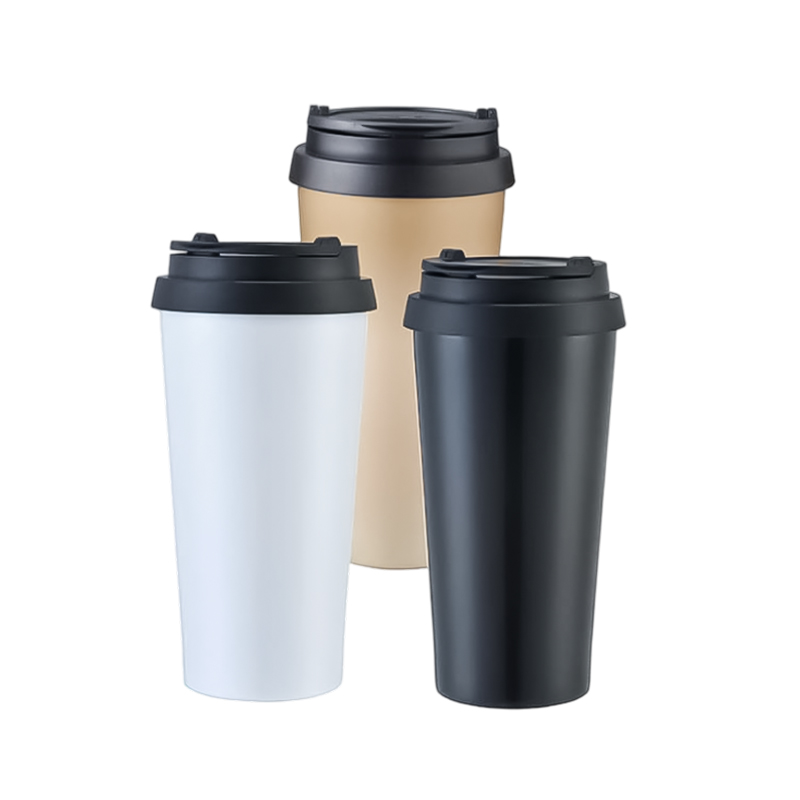
Color range tends to run wide too, since a vacuum water bottle with carabiner often doubles as a small personalization item — brands and retailers alike use color drops to differentiate what's otherwise a fairly standardized product category underneath the paint.
Share:
Related Products
Free Consultation
PRODUCTS
CONTACT INFO.
+86-18267909027+86-159 5799 5961
+86-0579 87616809
No. 158, Mingzhao Road, Gangtou Industrial Zone, Wuyi County, Jinhua City, Zhejiang Province, 321200, China



 Español
 Français