Email: [email protected]
Email: [email protected]
Telephone/WhatsApp: +86-18267909027
Aug 28, 2026
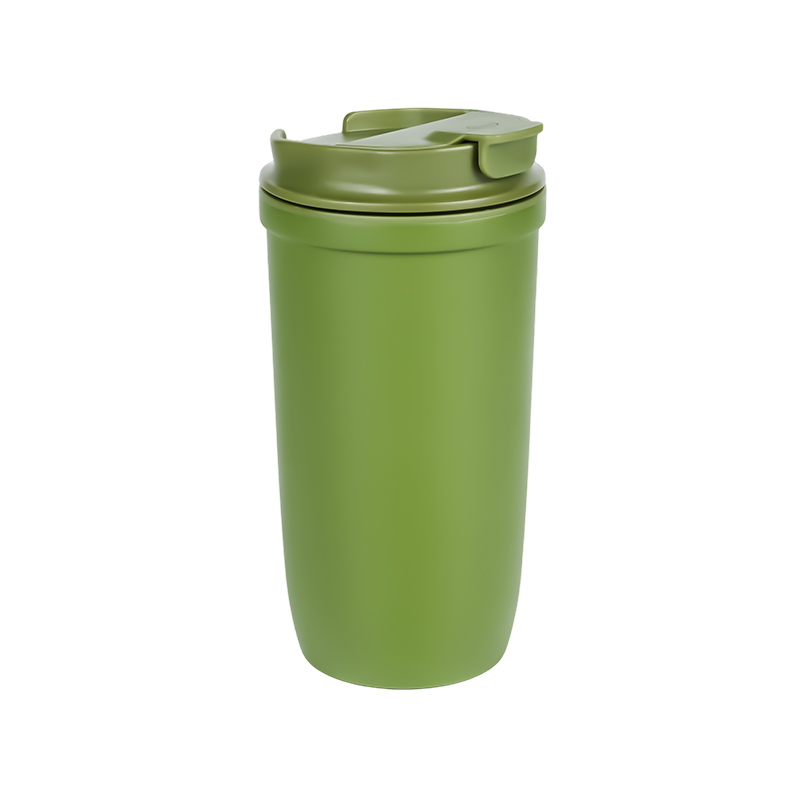
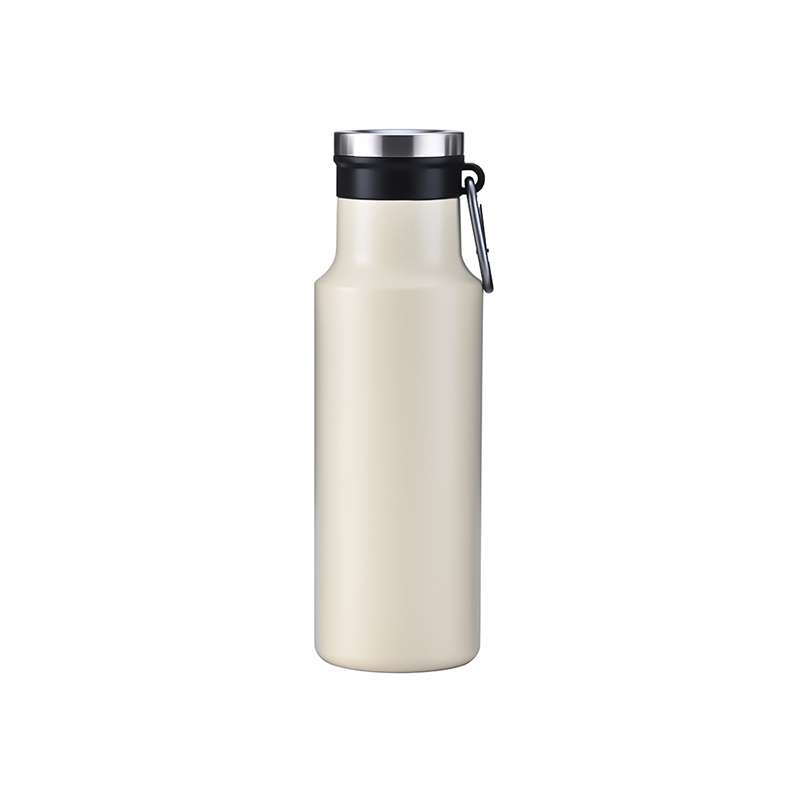
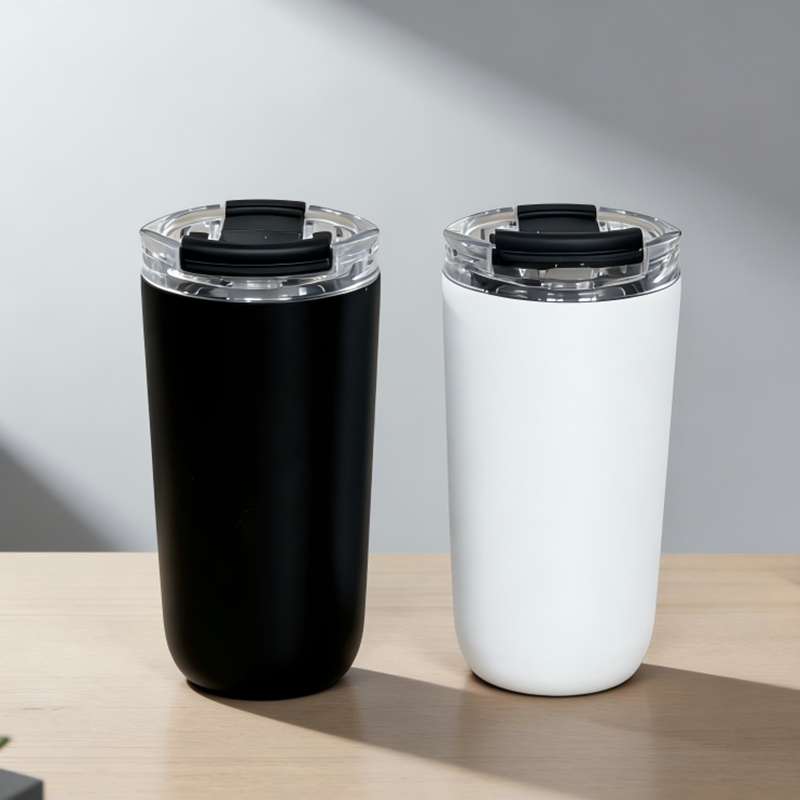
Twist-Free And No-Screw Insulated Bottle designs replace traditional threaded lids with a threadless locking system that opens and closes through axial movement rather than rotation. The bottle body uses double-wall stainless steel construction with a vacuum layer between the walls. This combination supports temperature retention while the lid mechanism focuses on quick access and secure sealing.
The neck of the bottle remains smooth, free of spiral grooves. A locking ring or collar on the lid seats against the rim. Pressing a button or applying downward force engages or releases internal locking elements that hold the lid in place. Silicone gaskets compress evenly around the opening to form the seal. Because no rotational force is required, the lid moves straight up or down.
Some versions include a secondary safety indicator that shows when the lock is fully engaged. The absence of threads removes the crevices where residue can collect over repeated use. Users can open the bottle with one hand by pressing the release and lifting the lid, then press it back down to reseal.
The bottle wall consists of an inner vessel and an outer shell. Air is removed from the space between them to create a vacuum. Heat transfer by conduction and convection drops sharply across this gap. Stainless steel forms both walls, providing structural strength and a neutral surface that does not react with most beverages.
The vacuum layer allows the contents to stay near their original temperature for extended periods. Cold liquids remain chilled through the day; hot liquids hold heat through several hours of normal handling. The outer surface stays closer to room temperature, reducing condensation on the exterior.
When the bottle holds hot liquids or carbonated drinks, internal pressure can rise. Certain Twist-Free And No-Screw Insulated Bottle models incorporate a small pressure-release valve in the lid. The valve vents excess pressure before the main seal opens, preventing sudden spurts or resistance when the lid is released. This arrangement supports safe opening even after the contents have been sitting for some time.
The same valve helps equalize pressure after the lid closes, so the seal engages smoothly without fighting against residual vacuum or positive pressure.
Food-grade stainless steel forms the main body. Lid components typically combine polymer outer shells with silicone sealing rings and stainless internal parts. The locking elements are machined or molded to consistent tolerances so that the engagement force stays uniform across units. Assembly focuses on aligning the gasket path and the locking geometry so the seal remains reliable under normal handling.
The smooth neck simplifies both filling and cleaning. Without threads, liquid flows freely into the bottle and residual droplets drain more readily. The lid itself often separates into a small number of pieces for thorough rinsing.
Extrusion and deep-drawing form the stainless steel cylinders. Vacuum sealing occurs under controlled conditions so the insulation gap stays uniform. Lid components are molded or machined in batches that match the neck diameter precisely. Final assembly checks confirm that the locking action engages fully and that the gasket seats without gaps.
The resulting Twist-Free And No-Screw Insulated Bottle combines the thermal stability of double-wall vacuum construction with a lid that operates through direct linear motion. The smooth neck and positive locking elements support both temperature retention and convenient access during regular use.
Share:
Related Products
Free Consultation
PRODUCTS
CONTACT INFO.
+86-18267909027+86-159 5799 5961
+86-0579 87616809
No. 158, Mingzhao Road, Gangtou Industrial Zone, Wuyi County, Jinhua City, Zhejiang Province, 321200, China



 Español
 Français