Email: [email protected]
Email: [email protected]
Telephone/WhatsApp: +86-18267909027
Oct 23, 2026
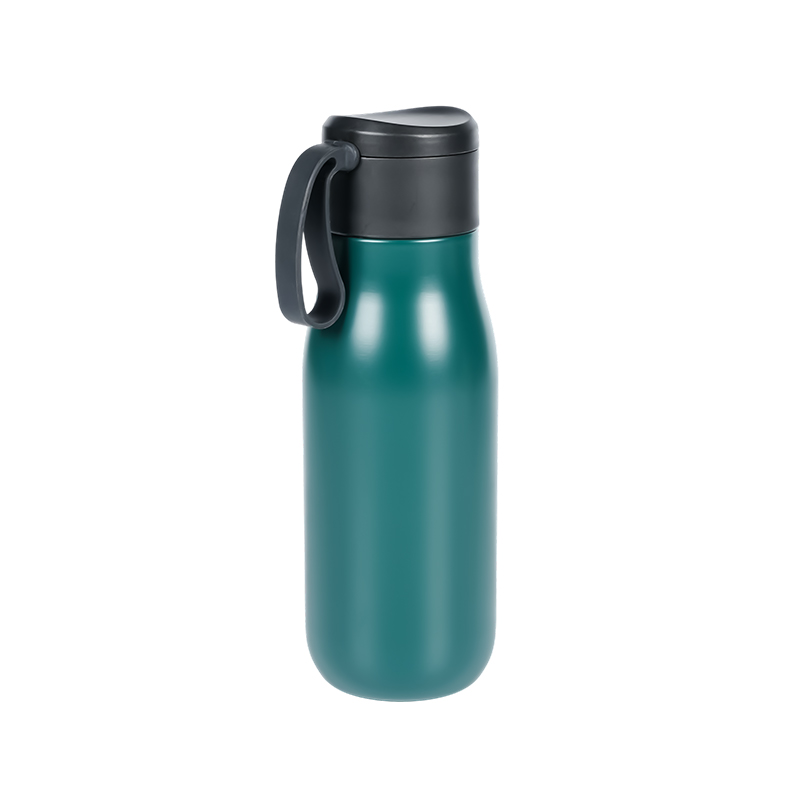
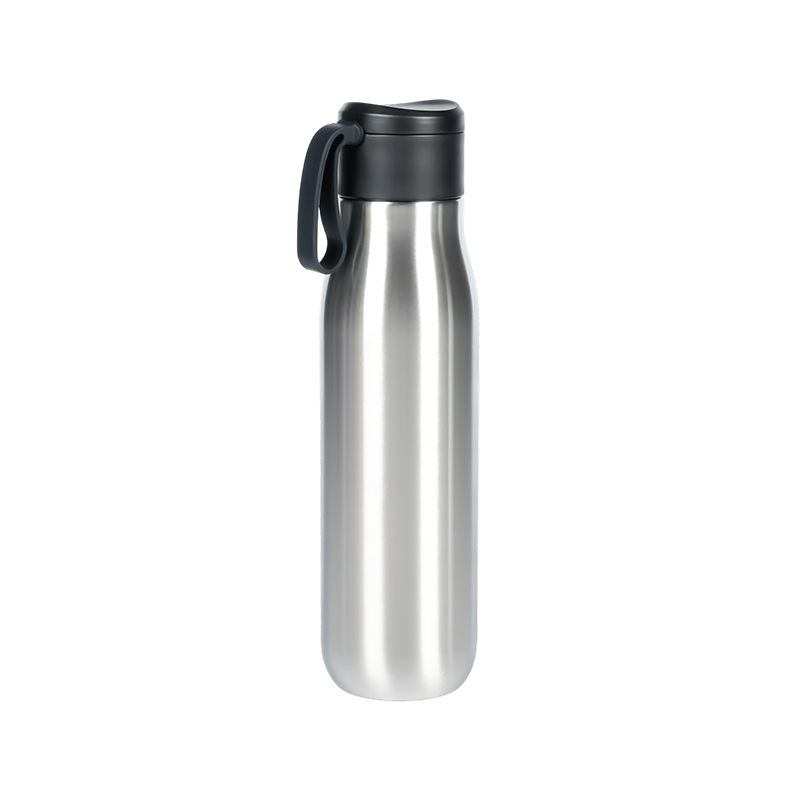
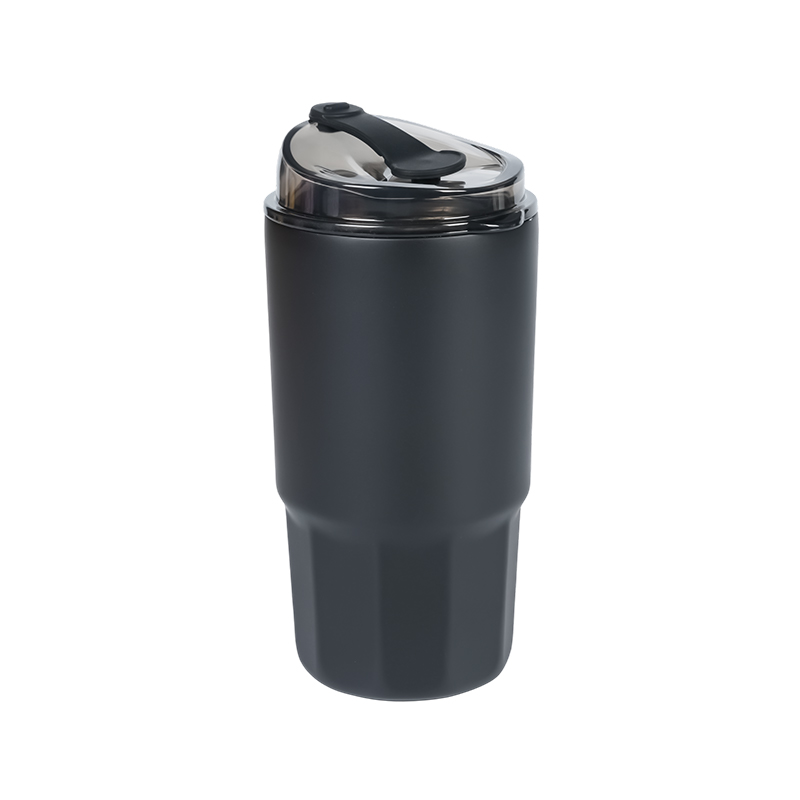
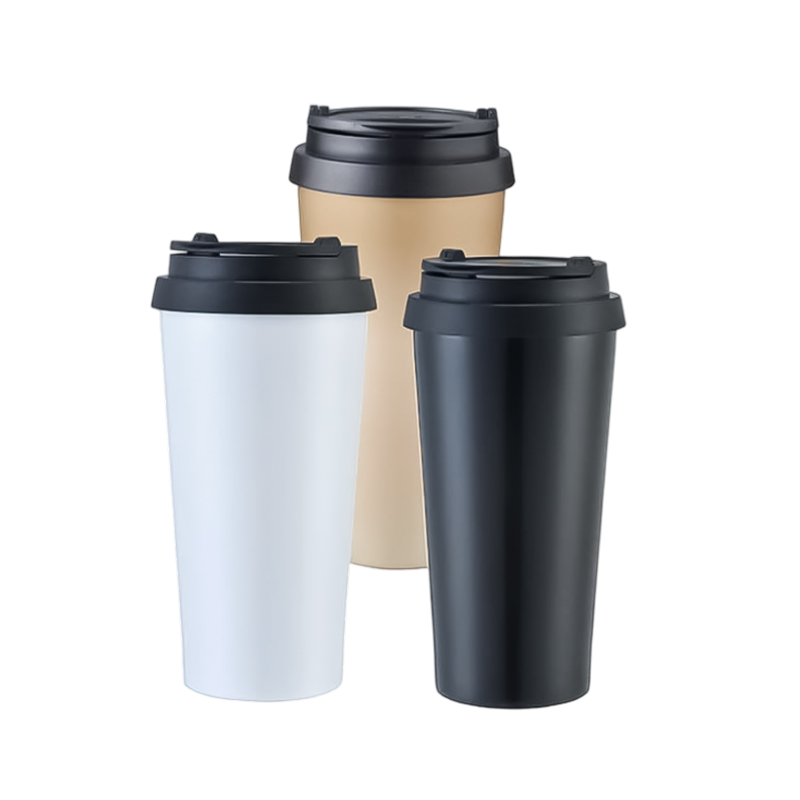
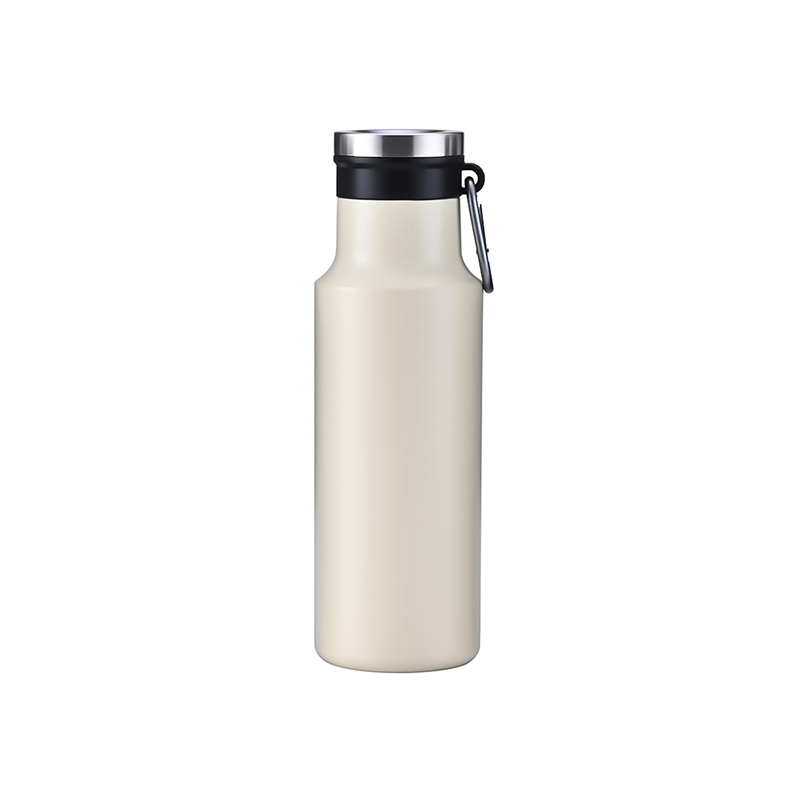
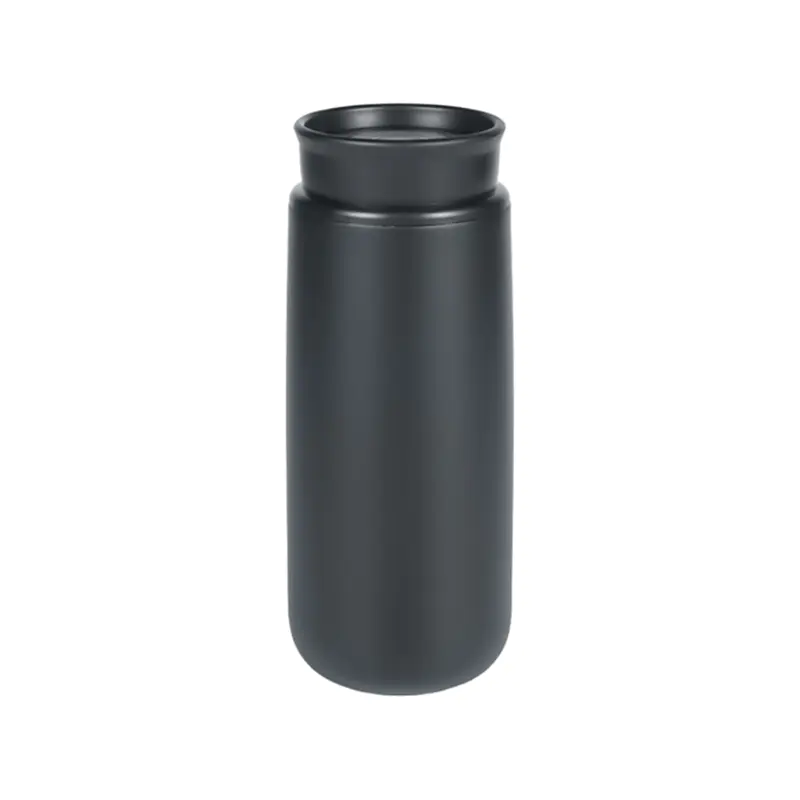
A Vacuum Insulated Sport Bottle is designed to help beverages retain their temperature during sports, outdoor activities, commuting, and daily work. Its insulated structure usually consists of an inner stainless steel container and an outer shell, with a vacuum layer between the two walls. This layer reduces heat transfer and helps drinks stay cold or warm for longer than they would in a conventional single-wall bottle.
For manufacturers, insulation performance depends on several design factors, including wall construction, sealing quality, material selection, and the bottle's overall structure. These elements also influence product weight, durability, and manufacturing consistency.
The combination of insulation and portability makes this bottle category suitable for sports retailers, promotional merchandise suppliers, fitness brands, and distributors serving different consumer markets.
Stainless steel is commonly used for the inner and outer walls because it offers a rigid structure and supports repeated daily use. The inner surface comes into direct contact with the beverage, while the outer shell provides protection and creates space for product finishes, colors, and branding.
A well-designed Vacuum Insulated Sport Bottle also needs a practical opening and a secure lid. Depending on the intended application, designs may include screw caps, flip-top lids, push-button openings, or integrated drinking spouts. Each option provides a different balance of drinking convenience, spill control, and production complexity.
Bottle capacity, body diameter, and overall height also affect usability. A slim body may fit standard backpack pockets, while a wider opening can make filling easier when users add ice cubes or prepare drinks for training sessions.
Customization allows a Vacuum Insulated Sport Bottle to serve different sales channels without requiring every customer to develop an entirely new product structure. Common options include capacity selection, exterior color, lid style, surface texture, logo printing, and packaging design.
When evaluating a manufacturing partner, distributors can clarify the available bottle models, material specifications, customization methods, sample approval process, and production capacity. These details help establish whether a supplier can support the intended product range and order schedule.
OEM and ODM arrangements may cover different levels of customization. OEM projects generally focus on producing goods according to a customer's specifications, while ODM projects may use an existing design or a supplier-developed structure as the starting point.
Clear specifications are especially useful when the same product will be sold through several markets or under multiple brand names.
Current product development often balances insulation performance with practical handling and visual differentiation. Lightweight body structures, textured finishes, comfortable carrying loops, and easy-to-use lids are examples of features manufacturers may consider when developing a sports bottle range.
A Vacuum Insulated Sport Bottle must also balance capacity and portability. Larger bottles can reduce the need for frequent refilling during long activities, whereas compact versions may suit short workouts, office use, or travel bags.
For manufacturers and distributors, the central design task is to match construction, appearance, and functional features with the intended user group. A product developed for cycling may require a different lid and grip design from one intended for corporate gifts or general retail.
By aligning product specifications with actual use cases, businesses can develop a more coherent bottle range for sports, promotional, and everyday hydration markets.
Related Products
Free Consultation
PRODUCTS
CONTACT INFO.
+86-18267909027+86-159 5799 5961
+86-0579 87616809
No. 158, Mingzhao Road, Gangtou Industrial Zone, Wuyi County, Jinhua City, Zhejiang Province, 321200, China


 Español
 Français