Email: [email protected]
Email: [email protected]
Telephone/WhatsApp: +86-18267909027
Jun 12, 2026
Vacuum insulated sport bottles have quietly worked their way into daily routines that extend well beyond the gym. Hikers, cyclists, office commuters, and parents shuttling between school runs and errands have all settled on this type of drinkware as a straightforward solution to a common problem: beverages reach the wrong temperature too quickly. The engineering behind the product addresses that directly. A hollow gap between two stainless steel walls, sealed under vacuum, cuts off the primary pathways for heat to move in or out.
Stainless steel remains the material most associated with this product category, and for practical reasons. It does not absorb the smell or taste of whatever was stored inside it last, it handles drops and rough handling without warping, and it cleans up without much fuss. A powder-coated finish on the outside adds grip and a degree of scratch resistance that bare metal cannot offer on its own.
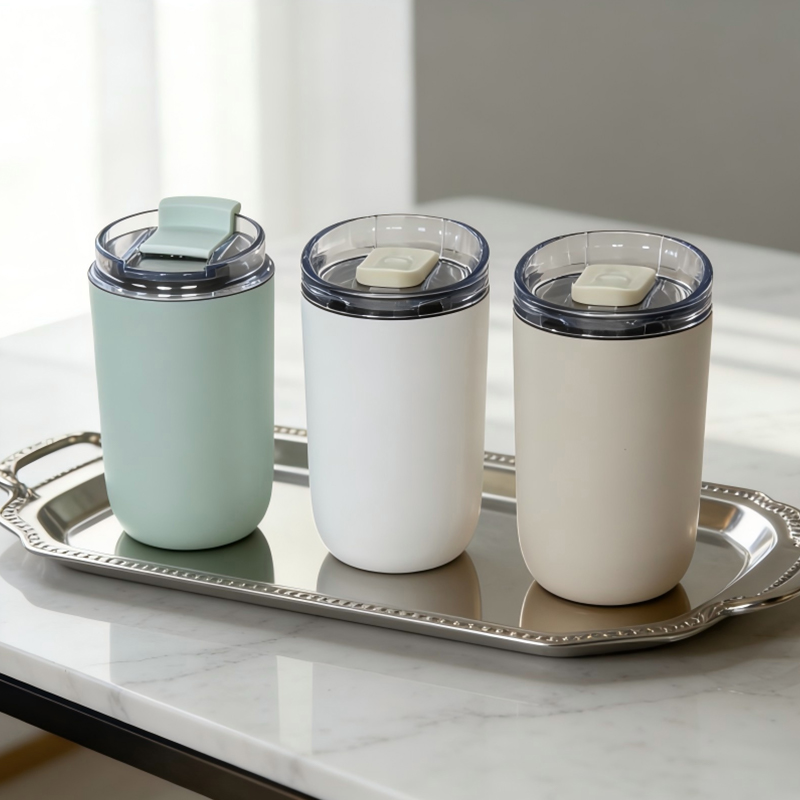
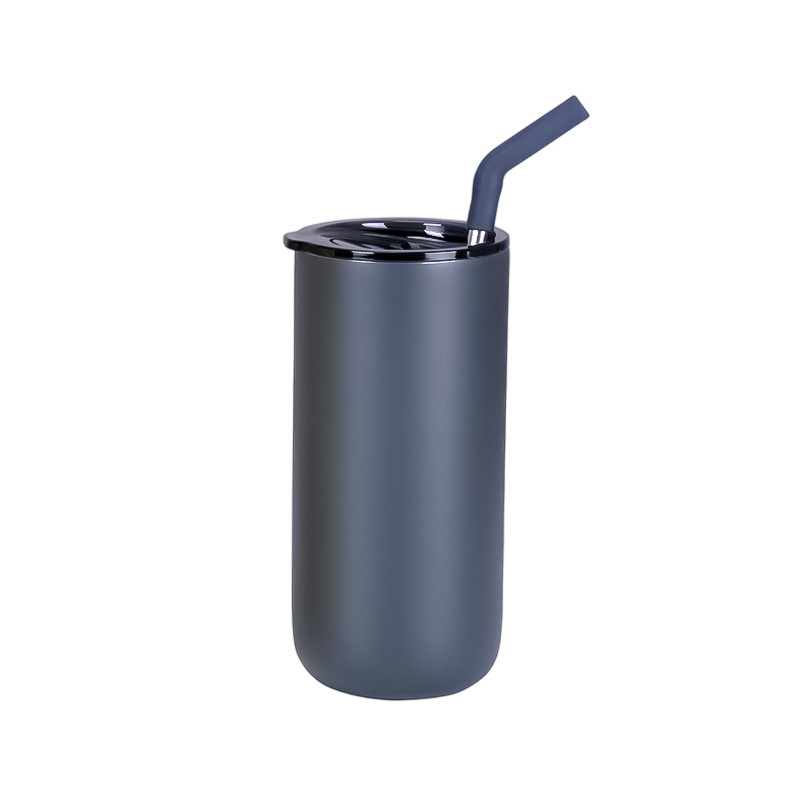
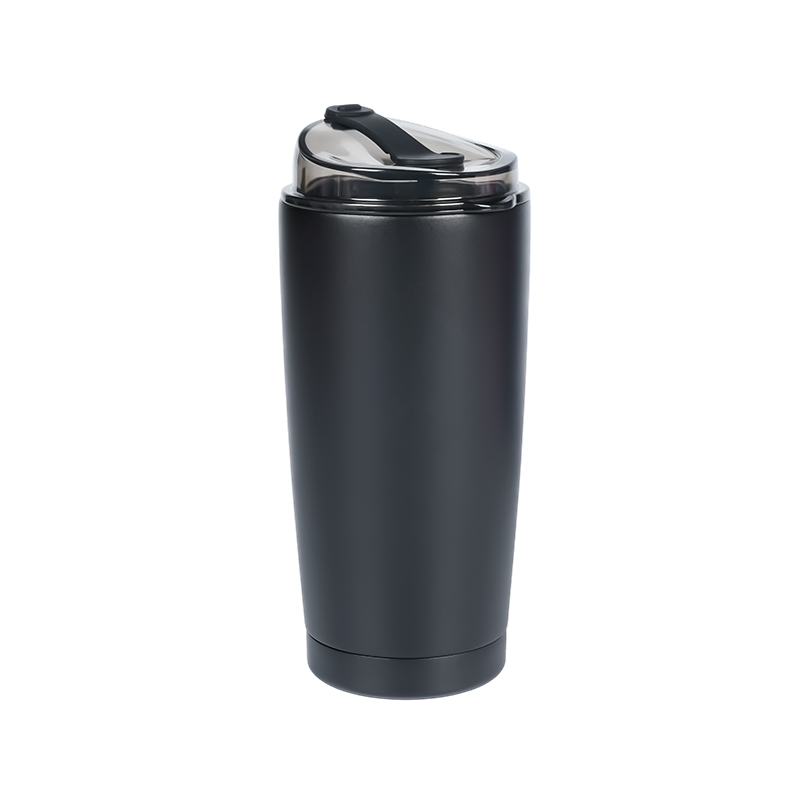
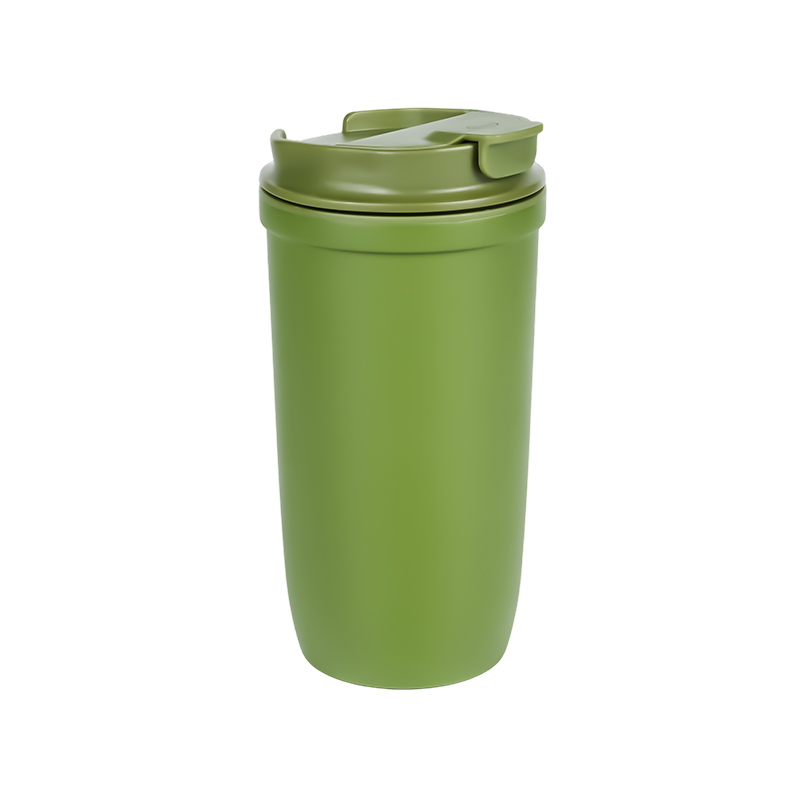
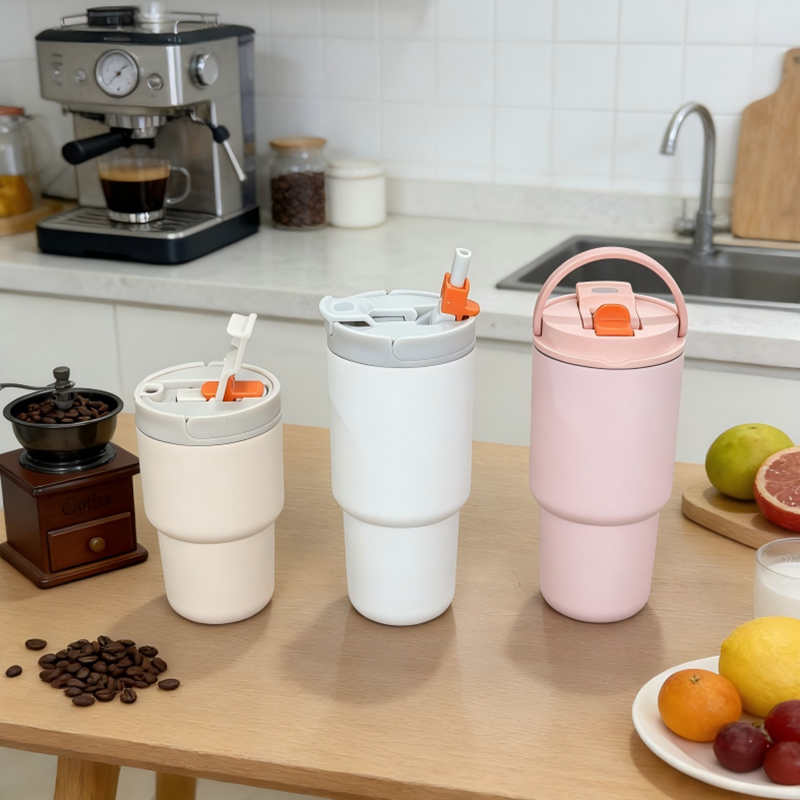
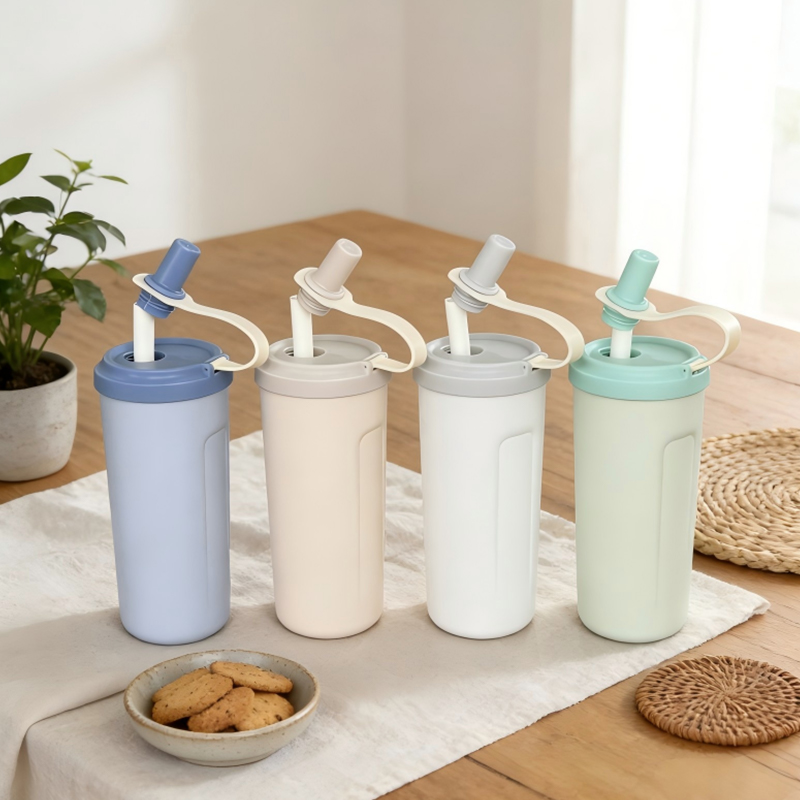
Lid construction is where many purchasing decisions get made. Twist-off caps seal tightly and tend to survive the chaos of being tossed into a bag alongside other gear. Straw lids have found a following among people who want to drink without pausing what they are doing — a meaningful feature during a ride or a run. Flip-top lids offer a middle ground: one-handed access without fully detaching the cap. Several brands have responded to consumer demand by making lids interchangeable across bottle sizes. The silicone gasket that lines the cap is a small component with an outsized effect on performance; a gasket that fits poorly undermines both the seal and the bottle's ability to hold temperature.
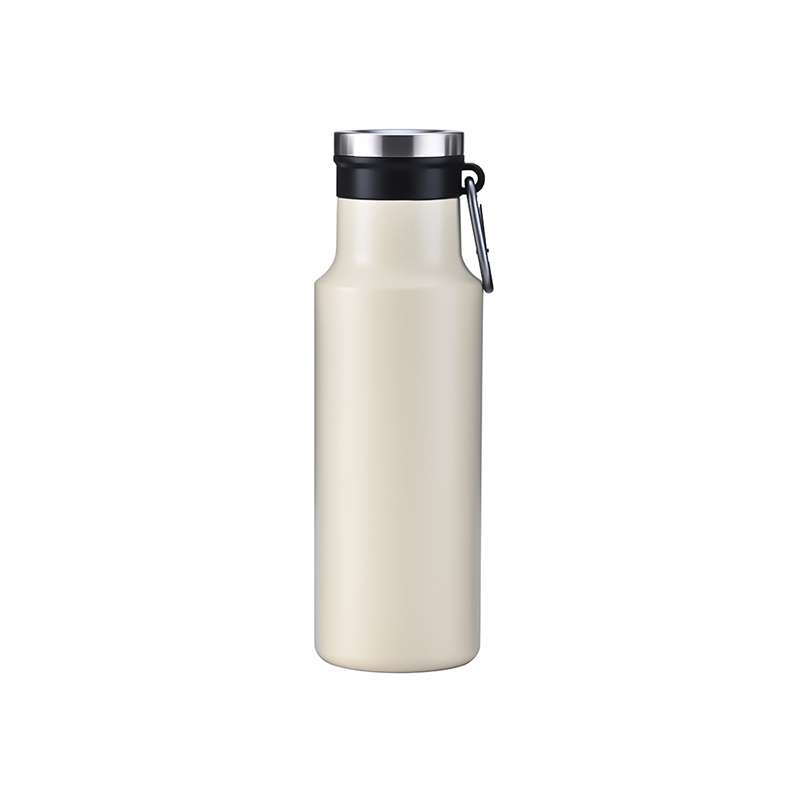
Weight factors into the equation too. A 20 oz vacuum insulated sport bottle in stainless steel typically comes in between 10 and 14 ounces when empty — manageable for trail running, gym sessions, or commutes where every ounce adds up. Larger formats, such as the 40 oz, appeal to people heading into situations where access to a water source is uncertain. Integrated handles and lids with attachment points for carabiners have been added to many designs, making it easier to clip a bottle to a pack rather than dedicate interior space to it.
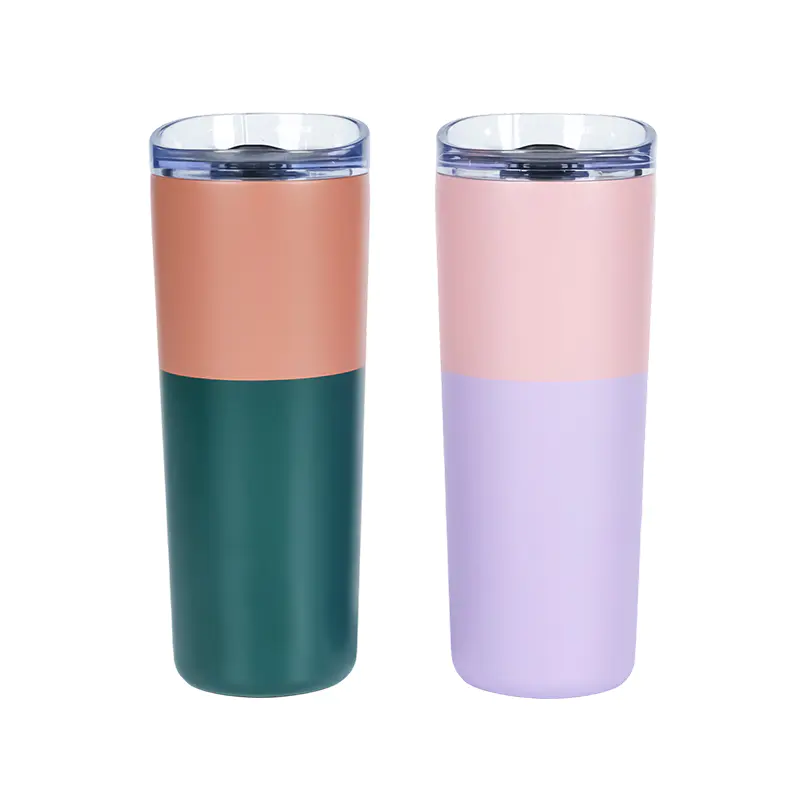
The visual side of the product has expanded considerably. Matte finishes, brushed metal, bold solids, gradients, and seasonal colorways now share shelf space in most retail assortments. Limited runs generate enough interest to bring repeat buyers back to a brand they already trust. Finish choice does not change how the bottle performs thermally, but it does influence how often people reach for it — and a bottle that gets used is a bottle that proves its value.
From a procurement standpoint, the patterns in consumer feedback are fairly consistent. Vacuum insulated sport bottles that test well on thermal retention and arrive with a lid that holds its seal tend to accumulate positive reviews and repeat orders. Wide-mouth openings score well for ease of cleaning and compatibility with ice. Narrow-mouth designs attract buyers who prioritize control over flow and do not want the risk of a splash during movement.
Share:
Related Products
Free Consultation
PRODUCTS
CONTACT INFO.
+86-18267909027+86-159 5799 5961
+86-0579 87616809
No. 158, Mingzhao Road, Gangtou Industrial Zone, Wuyi County, Jinhua City, Zhejiang Province, 321200, China



 Español
 Français