Email: [email protected]
Email: [email protected]
Telephone/WhatsApp: +86-18267909027
Jul 24, 2026
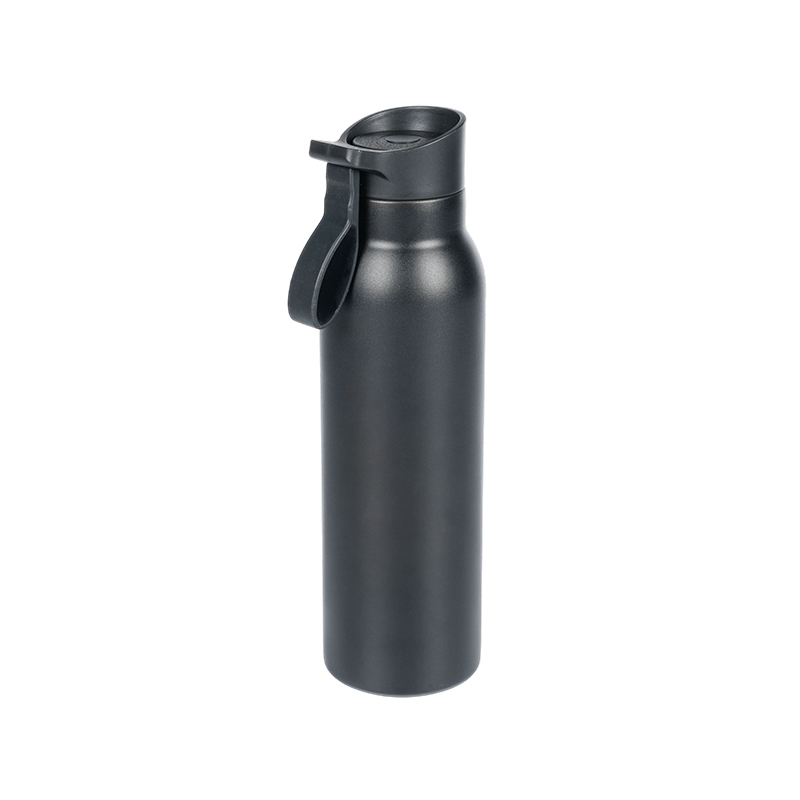
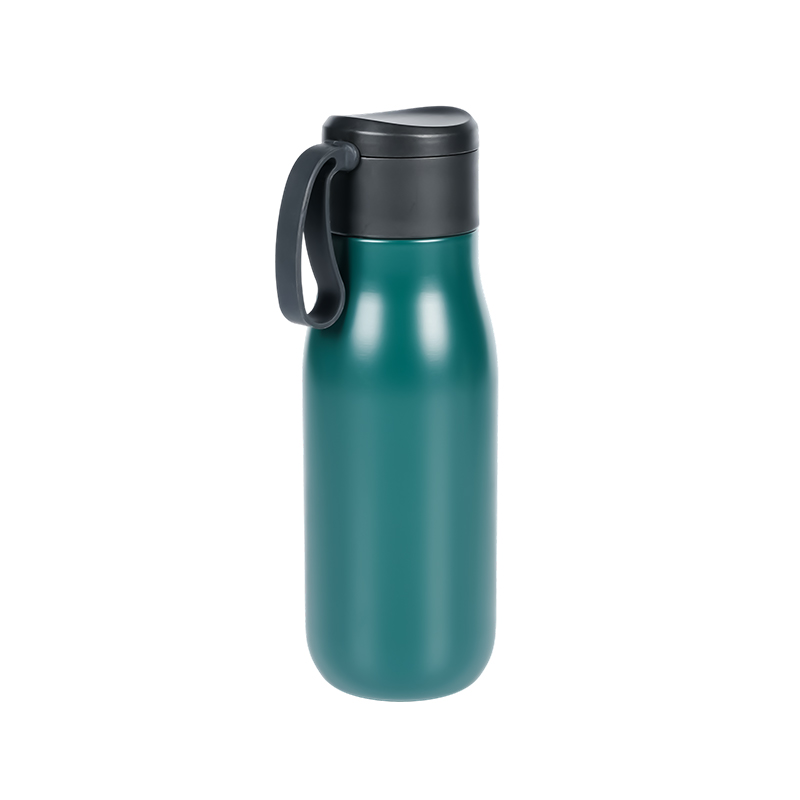
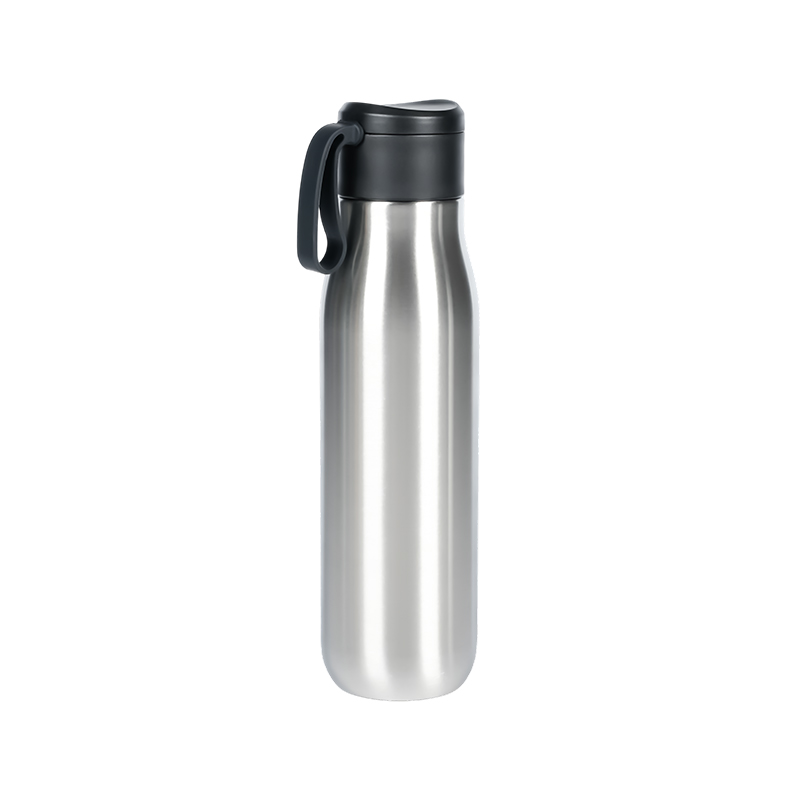
Anyone who's shoved a bulky water bottle into a side pocket and watched it fall out three steps later knows the frustration. A backpack-friendly sport bottle is built to avoid exactly that scenario, and it's a small design detail that ends up mattering a lot to the people actually using the product day to day.
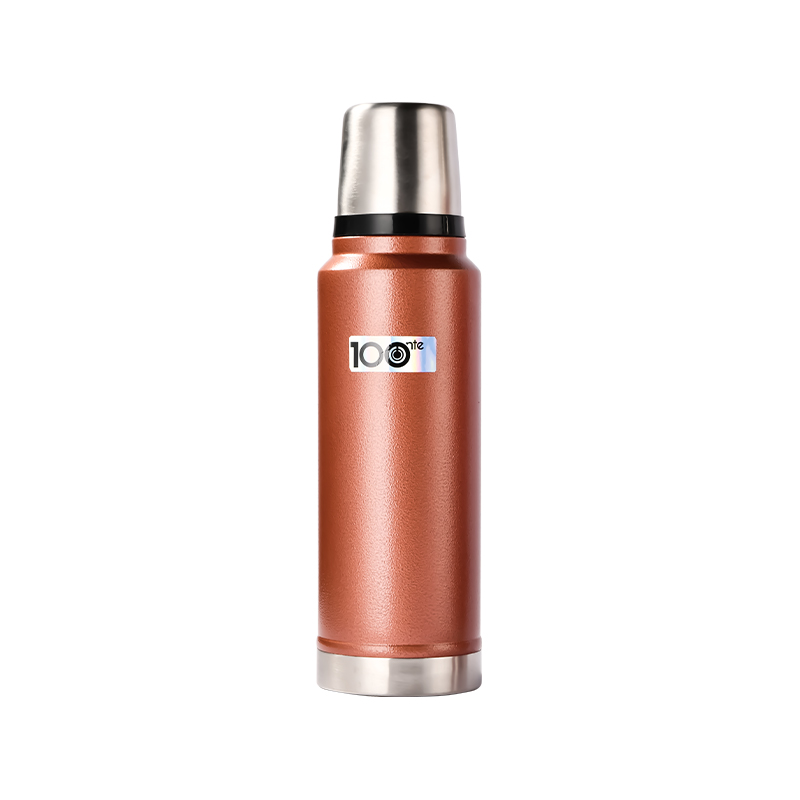
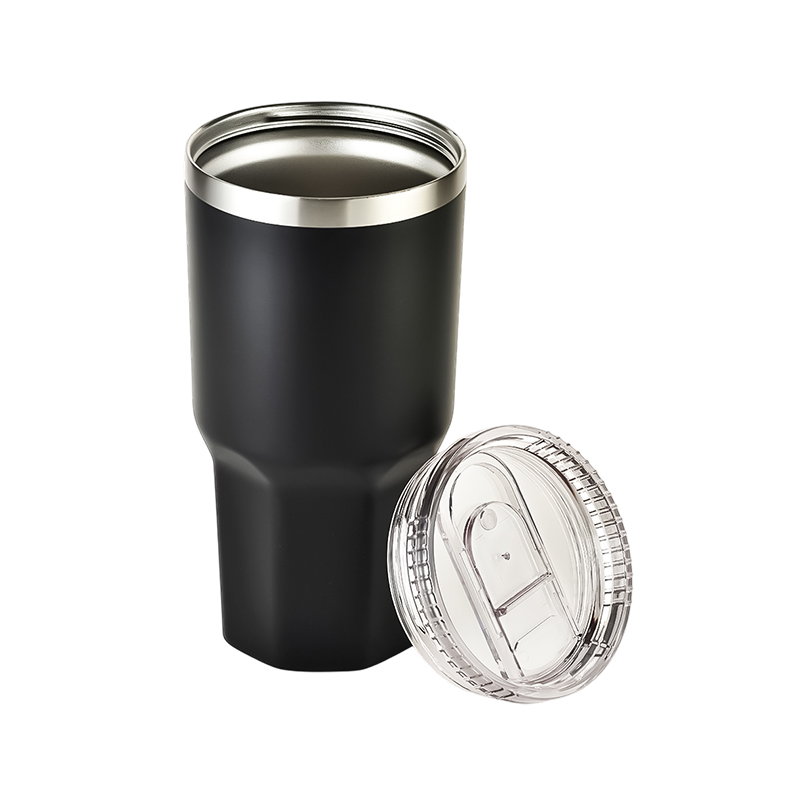
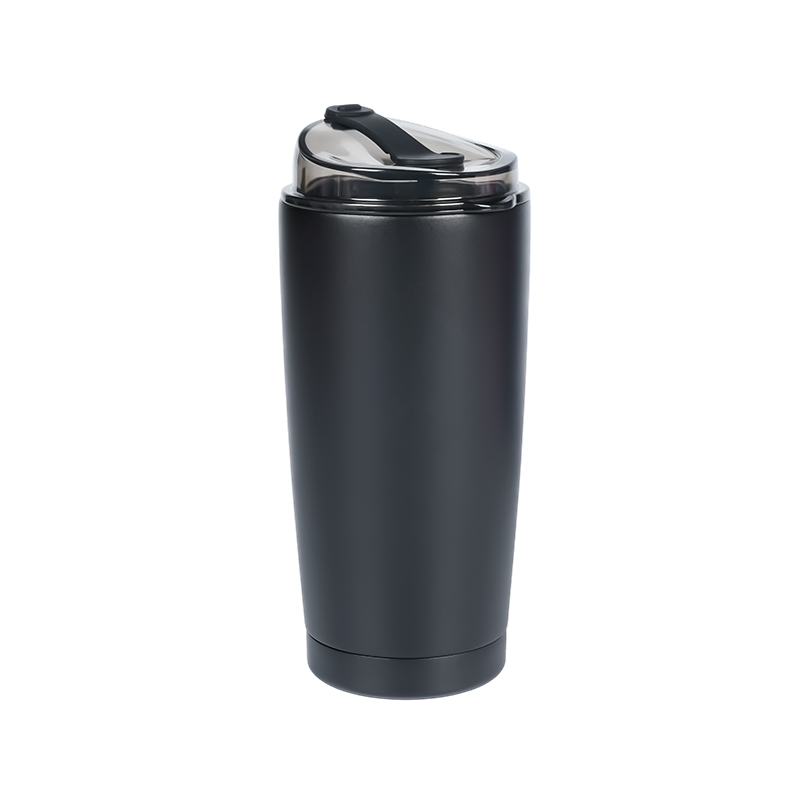
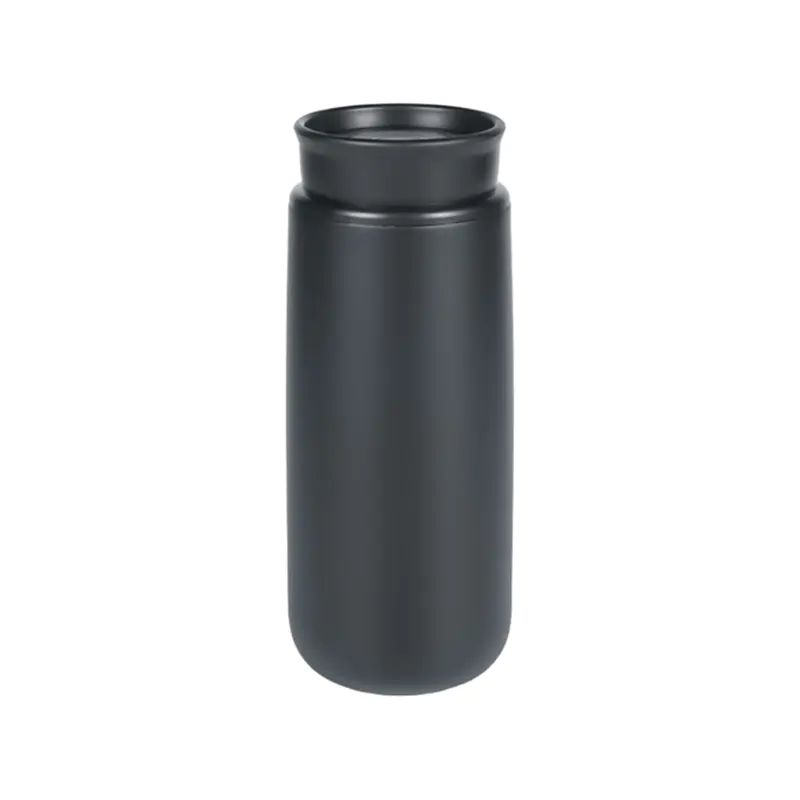
Most standard sport bottles are designed around capacity first, fit second. A backpack-friendly version flips that priority. Slimmer profiles, tapered bases, and shorter overall heights let the bottle slide into mesh side pockets without sticking out awkwardly or throwing off a pack's balance. For anyone hiking, commuting, or moving through a crowded train car, that difference between a bottle that stays put and one that doesn't is bigger than it sounds.
The appeal isn't limited to one type of customer. Commuters want something that fits a laptop bag's side pocket without digging into their back. Students carrying bottles between classes want a shape that survives being tossed into a backpack repeatedly. Outdoor retailers stock these bottles for hikers and campers who need pack space for gear, not just hydration. That range of buyers is part of why the category holds steady demand across seasons rather than spiking only in summer.
Buyers sourcing this category tend to focus on a consistent set of details:
Suppliers who can speak clearly to both of these points tend to earn repeat orders, since fit and leak resistance are the two complaints that come up most often from end users.
Backpack-friendly sport bottles show up in a few common materials — stainless steel for insulation and durability, BPA-free plastic for lighter weight and lower cost, and occasionally lightweight aluminum for a middle ground between the two. Each material appeals to a slightly different buyer. Fitness-focused customers often want something light enough not to add noticeable weight to a workout bag, while outdoor and travel buyers tend to prioritize insulation and drop resistance over shaving off a few grams.
A frequent complaint among distributors is inconsistent sizing across a production batch — a bottle that fits a standard mesh pocket in one shipment but runs slightly wider in the next. That kind of variation causes returns and damages a retailer's confidence in reordering. Buyers who request tighter dimensional tolerances upfront tend to avoid this issue down the line.
Leak resistance is another recurring concern, particularly with bottles that use flip-top or push-button lids rather than screw caps. A bottle that leaks even slightly inside a backpack can ruin electronics, books, or other gear, which makes lid quality control a genuine priority rather than a minor detail.
Bulk orders also benefit from more predictable production timelines, since manufacturers running larger batches can maintain tighter consistency across each unit compared to smaller, fragmented runs.
What size range counts as backpack-friendly?
There's no single fixed measurement, but bottles generally need a narrower diameter than standard sport bottles to comfortably fit mesh side pockets on most backpacks.
Are these bottles available in both plastic and metal?
Yes, both material types are common, and the choice usually comes down to weight preference and intended use.
Can bottle design be adjusted for custom branding?
Generally yes — many suppliers offer surface options suited to printing or engraving for backpack-friendly sport bottle, though specifics should be confirmed during sourcing discussions.
Share:
Related Products
Free Consultation
PRODUCTS
CONTACT INFO.
+86-18267909027+86-159 5799 5961
+86-0579 87616809
No. 158, Mingzhao Road, Gangtou Industrial Zone, Wuyi County, Jinhua City, Zhejiang Province, 321200, China



 Español
 Français