Email: [email protected]
Email: [email protected]
Telephone/WhatsApp: +86-18267909027
Nov 20, 2026
Buyers who supply outdoor, travel, and active-lifestyle retailers often look for bottles that move easily with the user. A backpack-friendly sport bottle addresses that need by combining compact proportions, secure closures, and shapes that slide into side pockets without catching or adding bulk. The result is a product that supports daily carry rather than demanding special handling.
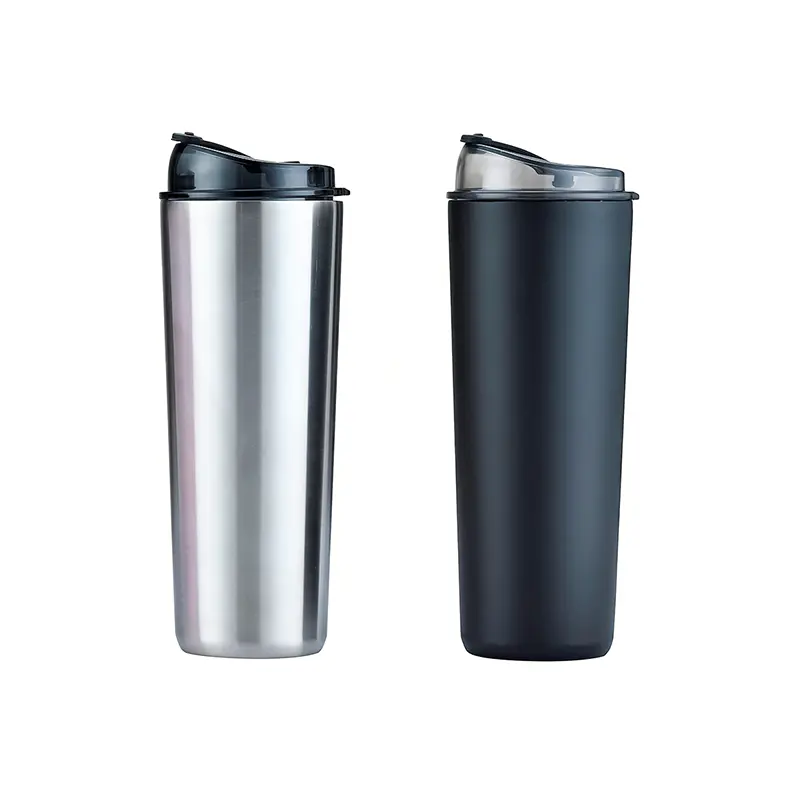
Most modern daypacks and hydration packs include vertical side mesh or elasticized pockets. A backpack-friendly sport bottle is typically sized to fit these spaces—often in the 500–750 ml range—with a diameter that avoids stretching fabric or protruding awkwardly. Slightly tapered bodies help the bottle drop in and pull out cleanly, even when the pack is fully loaded. Flat or lightly contoured sides reduce rolling inside larger compartments and keep the bottle oriented for quick access.
Handles or carry loops, when present, stay low-profile so they do not snag on zippers or straps. Many versions place the loop near the neck or integrate it into the lid, keeping the overall silhouette streamlined. These details matter to distributors who sell to hikers, cyclists, and urban commuters who already carry packs daily.
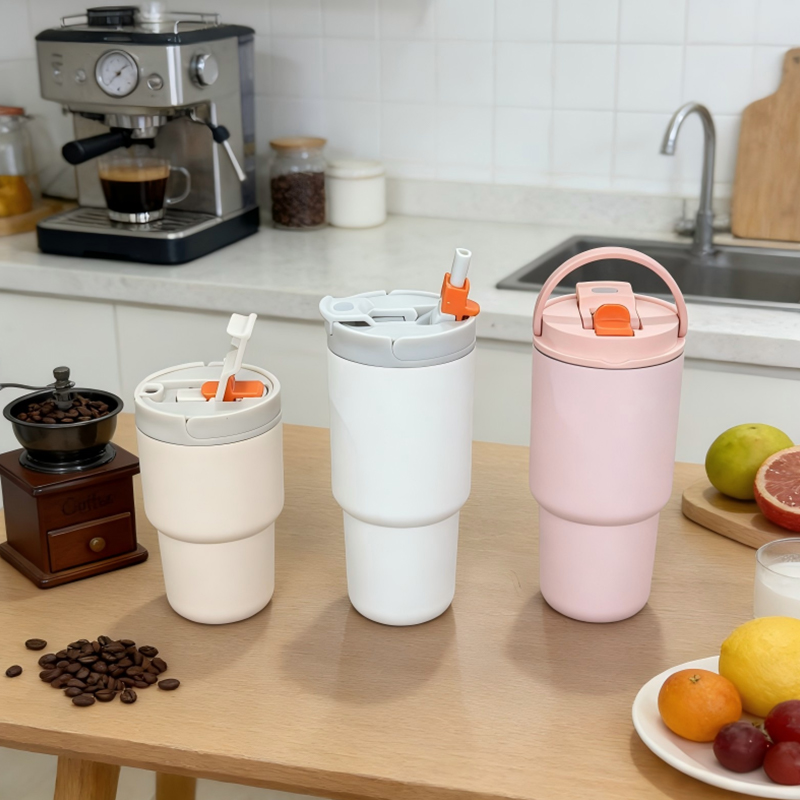
Leak resistance becomes more important once a bottle rides against fabric and other gear. A backpack-friendly sport bottle usually pairs a screw-on or push-pull lid with an internal gasket that maintains contact under pressure changes and jostling. Some designs add a secondary lock ring or flip cover that stays closed until the user intentionally opens it. Wide mouths remain popular because they simplify filling and cleaning, yet the exterior profile stays narrow enough for pocket entry.
Straw or spout options appear on certain models, allowing sipping without full removal from the pack. The goal is simple: the bottle stays upright or on its side without soaking nearby items. Buyers evaluating samples often test this by placing filled units in a pack and walking or jogging short distances to observe real-world behavior.
Common materials include food-grade plastics that balance weight and impact resistance, along with stainless steel for buyers seeking greater durability and temperature retention. Plastic versions keep the overall weight low, which helps when the bottle is carried all day. Steel models add a premium feel and resist dents from incidental bumps against gear or ground. Both can receive matte or lightly textured finishes that improve grip even when hands are damp.
Color and branding surfaces are another practical consideration. Smooth panels accept screen printing or laser marking without excess ink build-up that might affect fit. Consistent wall thickness supports even printing and reduces the chance of weak spots during forming. Factories producing a backpack-friendly sport bottle typically maintain tight control over these dimensions so successive production runs remain interchangeable for buyers who reorder.
Office workers who cycle or walk to work appreciate a bottle that rides quietly in a pack side pocket rather than rolling across the floor of a messenger bag. Trail users value the same trait when the pack is already full of layers and snacks. Parents packing for school runs or weekend outings look for bottles that stay put among books and lunch containers. In each case, the backpack-friendly sport bottle reduces the small frustrations of shifting weight and unexpected leaks.
Retail buyers also note that products with clear visual cues—such as volume markings or simple lock indicators—reduce return rates and support clearer shelf communication. When the bottle's form matches the way people actually carry packs, the product feels intentional rather than adapted after the fact.
Related Products
Free Consultation
PRODUCTS
CONTACT INFO.
+86-18267909027+86-159 5799 5961
+86-0579 87616809
No. 158, Mingzhao Road, Gangtou Industrial Zone, Wuyi County, Jinhua City, Zhejiang Province, 321200, China


 Español
 Français